
Heinsia crinita
Heinsia crinita
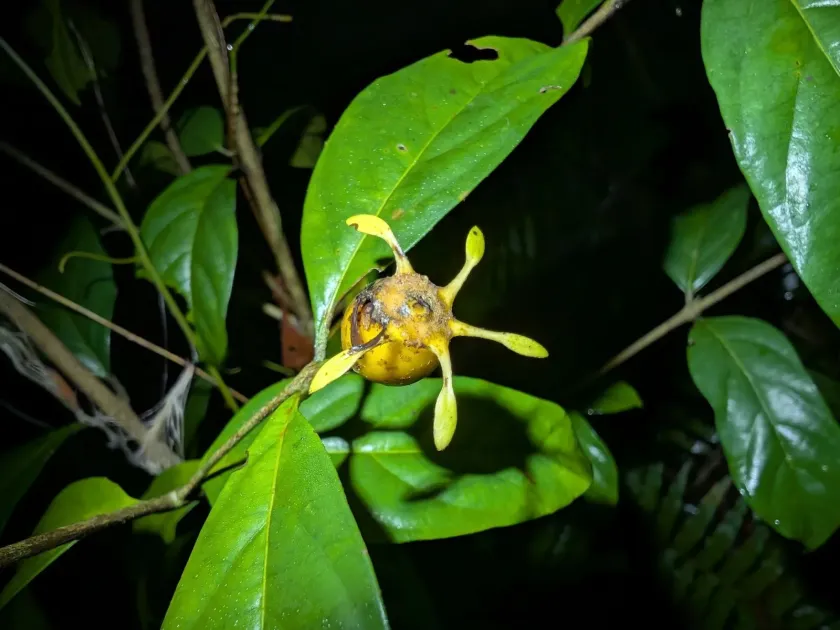
Description
Sowing dates
Heinsia crinita is a perennial shrub belonging to the Rubiaceae family, typically propagated through seeds or stem cuttings. Sowing is best performed at the onset of the rainy season, ensuring the soil remains consistently moist to facilitate germination.
For vegetative propagation, semi-hardwood cuttings measuring 15–20 centimeters are selected. These are planted in shaded nurseries and watered regularly until roots establish, which usually occurs within a few weeks of planting.
Spacing is a critical factor for healthy growth; plants should be kept at least 50–60 centimeters apart. Proper spacing ensures adequate airflow, which is essential for minimizing fungal outbreaks in humid environments.
The crop exhibits a slow initial growth rate, requiring diligent weeding during the early stages to prevent competition from invasive grasses. Full vegetative maturity is typically attained by the second year.
The optimal planting time coincides with periods of consistent warmth, as the species is highly sensitive to fluctuations in temperature and lacks tolerance for the colder nights often found in higher latitudes.
Growing requirements
Heinsia crinita thrives in well-drained, fertile loamy soils enriched with organic matter. Maintaining a neutral to slightly acidic pH is beneficial for ensuring the efficient uptake of essential soil micronutrients.
While the plant enjoys sunlight, it requires light shade in areas with intense tropical sun to prevent leaf scorching. Exposure to direct midday sun should be avoided to maintain the quality of the foliage.
Water management is paramount; the crop requires regular irrigation but suffers greatly from waterlogging. A well-constructed drainage system is necessary to prevent root rot in high-rainfall climates.
As a tropical species, it cannot withstand frost or cold snaps. Therefore, its cultivation is restricted to tropical and subtropical regions where temperatures remain consistently high throughout the year.
The application of compost or manure as mulch helps retain soil moisture and provides a steady supply of nutrients, which significantly boosts leaf production and overall plant vigor.
Yield
The yield of Heinsia crinita consists of its edible leaves, which are harvested throughout the growing season. The total output depends heavily on soil fertility and the consistency of the irrigation schedule.
Young, tender leaves are preferred for consumption and should be picked once they reach full size but before they become tough. Frequent harvesting encourages the plant to produce new side shoots.
Productivity can be maximized through strategic pruning, which keeps the bush compact and stimulates fresh growth. Managing the bush architecture is essential for an efficient and continuous harvest.
The leaves are valued for their nutritional profile, providing protein and vitamins. Because the product is perishable, timing the harvest with distribution or culinary processing is essential to maintain quality.
After collection, the leaves lose freshness rapidly. For short-term storage, keeping the harvested greens in a cool, humid environment is necessary to prevent wilting before they reach the kitchen.
Main diseases and pests
The primary threats to Heinsia crinita are leaf-eating caterpillars and various insects that can damage the foliage and reduce market value. Regular monitoring is key to detecting infestations early.
In conditions of high humidity and poor ventilation, powdery mildew may develop. Preventive measures include maintaining appropriate plant density and practicing timely sanitary pruning to improve airflow.
Root rot is a significant danger in fields with poor drainage or over-irrigation. Ensuring the soil does not stay waterlogged is the most effective way to prevent these soil-borne fungal infections.
Aphids can occasionally colonize young shoots, leading to leaf deformation. Natural soap-based sprays or organic-approved insecticides are effective tools for managing these pest populations.
Phytosanitary control involves removing adjacent weeds that may serve as reservoirs for viruses. Keeping the growing area clean and well-maintained is vital for the long-term health of the shrub.
Harvesting
Harvesting begins once the shrub has sufficiently established itself, typically several months after planting. Pick leaves selectively, starting from the lower branches to allow the canopy to continue developing.
Using sharp garden shears or knives for harvesting is recommended to prevent mechanical damage to the stems, as ragged wounds are more susceptible to secondary infections.
Early morning is the best time for harvesting, as leaves are at their most turgid and flavorful. Harvested during the cool morning hours, the crop maintains its quality for a longer duration.
For extended use, excess leaves can be dried in the shade and stored. This traditional preservation method retains a high percentage of the plant's nutritional benefits for off-season consumption.
Systematic harvesting acts as a pruning mechanism, preventing the accumulation of old, coarse foliage and stimulating the shrub to produce succulent new leaves consistently throughout the year.