
Gynochthodes coriacea
Gynochthodes coriacea
Description
Growing requirements
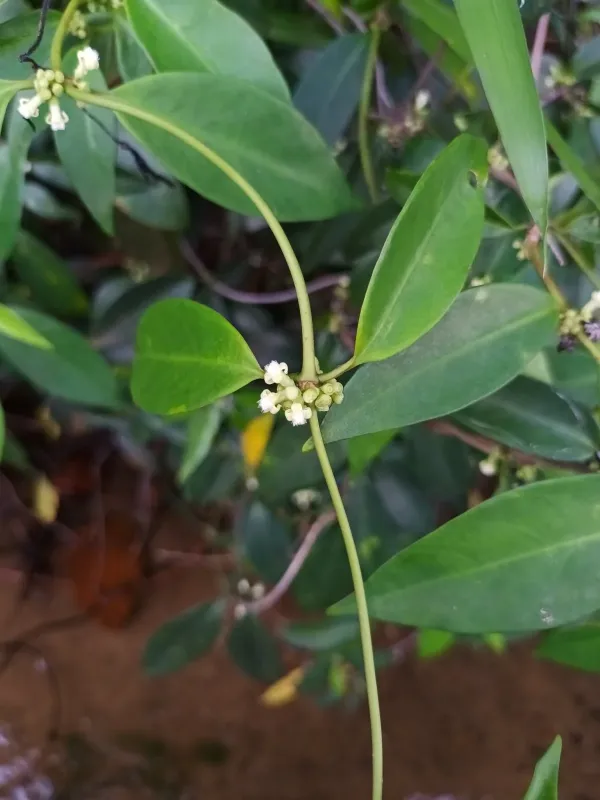
Gynochthodes coriacea is a woody climber belonging to the Rubiaceae family, native to the tropical regions of Southeast Asia. It is characterized by its coriaceous (leathery) leaves and climbing growth habit, which allows it to thrive in dense forest canopy layers.
The plant requires a strictly tropical environment to achieve optimal growth, with temperatures consistently ranging from 20 to 30 degrees Celsius. It is highly sensitive to cold stress and should be protected from any drafts or temperatures below 18 degrees Celsius.
Soil requirements focus on high organic matter content and excellent drainage. A mix of peat moss, leaf mold, and coarse sand or perlite creates the ideal substrate conditions to prevent waterlogging, which the root system is highly susceptible to.
Light management is crucial, as the plant prefers bright, indirect light. In greenhouse settings, supplemental shade cloth is recommended to protect the foliage from intense direct sunlight, which can quickly lead to dehydration and chlorosis.
Watering frequency should be adjusted based on the substrate moisture levels. During the active growing season, keep the soil uniformly moist, while reducing irrigation significantly during the resting period to prevent root rot and allow for dormancy.
Main diseases and pests
Spider mites are common pests that thrive in the dry air conditions sometimes found in artificial indoor environments, leading to leaf drop and stunted growth.
Root rot pathogens, particularly from the Pythium species, are a major threat if the irrigation system does not allow for sufficient drying cycles between waterings.
Mealybugs can infest the leaf axils and stems, creating sticky residues that serve as a substrate for sooty mold, which impairs the photosynthetic capacity of the plant.
Fungal infections of the foliage can occur in poorly ventilated areas, necessitating the use of systemic fungicides or improved airflow through mechanical fans.
Effective pest management relies on early detection and physical removal of infested foliage, followed by targeted treatment if the population levels exceed economic thresholds.