
Gynochthodes umbellata
Gynochthodes umbellata
Description
Growing requirements
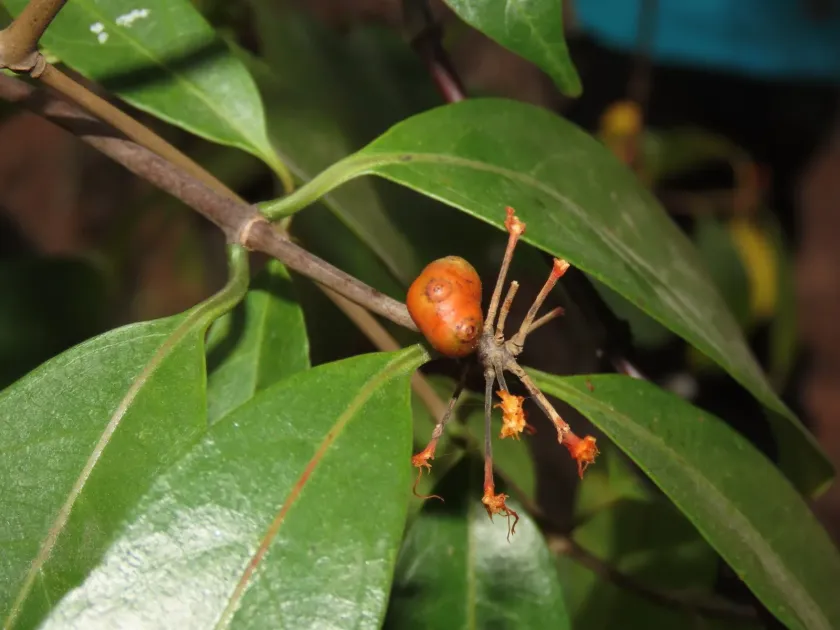
Gynochthodes umbellata is a woody vine belonging to the Rubiaceae family, native to the tropical regions of Southeast Asia. This species is recognized for its climbing habit and specific botanical structure.
The plant thrives in humid tropical environments. It typically inhabits forest margins where it can climb trees to capture sunlight. In controlled cultivation, it requires warm temperatures year-round.
Soil requirements include well-drained, nutrient-rich earth. The root system is sensitive to waterlogging, necessitating a substrate that allows for rapid drainage while maintaining consistent moisture.
Regarding climate, the plant cannot tolerate frost. It requires a stable environment with high humidity levels, which is crucial for optimal photosynthesis and overall vegetative health.
Agronomic management involves providing vertical support structures, such as trellises or poles. Proper pruning is essential to stimulate branching and ensure the plant remains manageable within the cultivation area.
Harvesting
The primary agricultural interest in Gynochthodes umbellata lies in its medicinal properties. Certain parts of the plant, especially the roots, are valued for their bioactive compounds.
Harvesting techniques involve the systematic excavation of roots. Care is taken not to damage the plant's structure if the cultivation cycle is intended to be perennial or multi-harvest.
Post-harvest handling is critical for preserving quality. The collected plant material must be cleaned thoroughly to remove soil particles and extraneous organic matter before processing.
Drying is performed in climate-controlled environments to prevent fermentation or fungal contamination. Controlled drying temperatures ensure the integrity of the phytochemicals found within the roots.
The final product is typically prepared for pharmaceutical extraction or traditional herbal medicine applications. Stringent quality control protocols are applied to ensure safety and potency.