
Gouldia
Gouldia
Description
Growing requirements
The genus Gouldia belongs to the Rubiaceae family and is native to the Hawaiian Islands. These plants occur as shrubs or small trees that are well-adapted to various elevations across the tropical archipelago's diverse ecosystem.
In terms of growth requirements, Gouldia thrives in humid environments with consistent moisture levels. It prefers partial shade conditions, mimicking the natural light filtering provided by the canopy in its native tropical forest habitat.
The soil should be nutrient-dense, slightly acidic, and provide excellent drainage to prevent root rot. Proper soil aeration is essential, as the roots are sensitive to compaction and waterlogging, which are common issues in clay-heavy substrates.
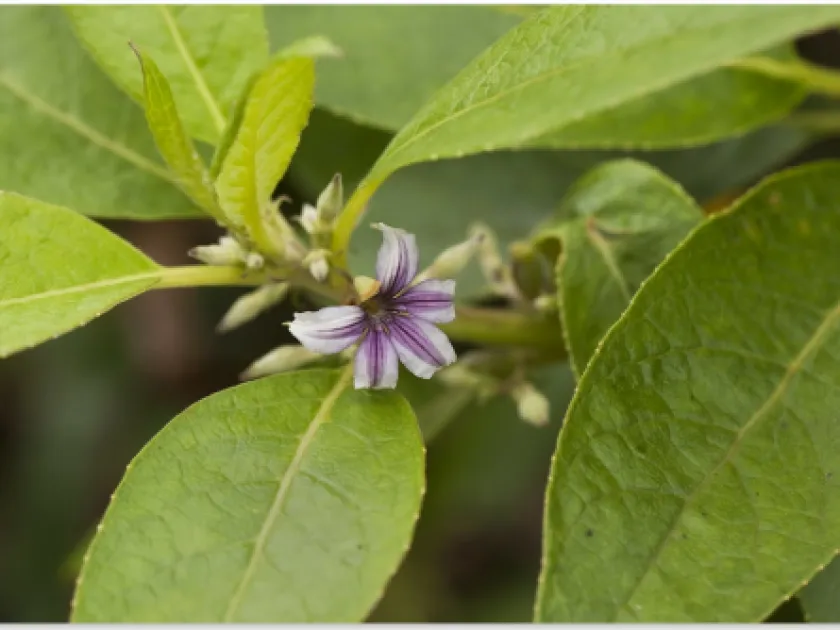
Botanically, Gouldia is characterized by opposite, entire leaves and terminal inflorescences composed of numerous small, often pale-colored flowers. The fruit development is a crucial stage, as the succulent berries serve as a food source for native fauna.
The agricultural application of Gouldia is primarily focused on biodiversity conservation and niche landscaping. While it is not a commercial crop, its biological resilience makes it an interesting subject for studying plant evolution in isolated island environments.