
Cleavers
Galium aparine L.
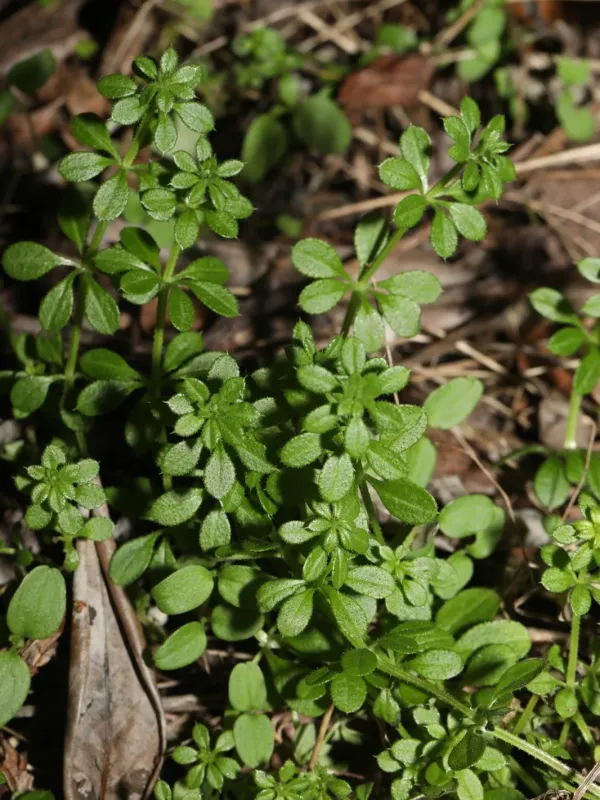
Description
Growing requirements
Cleavers (Galium aparine L.) is a widespread annual herbaceous weed belonging to the Rubiaceae family. It is recognized globally as a significant pest in agricultural fields, competing aggressively with cereals, oilseeds, and vegetables for resources.
The plant is characterized by its square stems and leaves arranged in whorls. Its most distinctive feature is the presence of hooked hairs on the stems and seeds, which allow it to attach to and climb over crop plants, often pulling them down and causing lodging.
Cleavers thrive in fertile, moist, and nitrogen-rich soils. They are particularly prevalent in agricultural environments where intensive fertilization practices are used, making them a major challenge for modern high-yield farming operations.
The biological cycle of the plant starts very early in the season. Seeds can germinate at low temperatures, often before crops are even established, which gives the weed a head start in competing for sunlight, water, and soil nutrients.
The economic impact is severe. Dense infestations lead to significant yield reductions, while the clinging seeds contaminate harvests. This contamination increases cleaning costs and reduces the market quality of the grain, making it an undesirable component in any crop.
Main diseases and pests
Cleavers are relatively resistant to major pathogens. While minor fungal infections like powdery mildew can occur, they rarely cause sufficient damage to the weed population to be considered a viable method of biological control in field conditions.
Insects such as aphids may feed on the plant, but they generally fail to exert significant control pressure. Therefore, chemical and mechanical methods remain the cornerstone of integrated weed management programs for this species.
Mechanical control involves thorough seedbed preparation and inter-row cultivation during the early growth stages. Destroying the weed before it sets seeds is crucial, as a single plant can produce a substantial number of seeds that remain viable in the soil for years.
Chemical control is the most effective approach in large-scale agriculture. Selective herbicides are best applied while the plant is young, specifically during the stage when it has only a few whorls of leaves. Once the plant is mature, it develops resistance to many common chemical treatments.
Preventative measures include using certified, weed-free seeds and cleaning machinery to prevent the spread of seeds between fields. A well-designed crop rotation, including competitive crops, further limits the establishment and proliferation of this weed.