
Yellow bedstraw
Galium verum L.
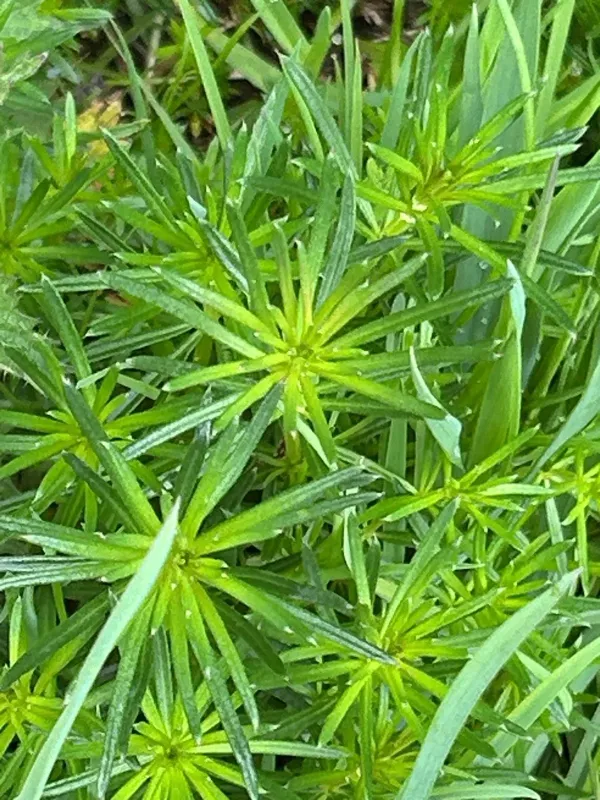
Description
Sowing dates
Galium verum L., commonly known as yellow bedstraw, is a perennial flowering plant in the Rubiaceae family, characterized by its whorled leaves and tiny, fragrant yellow flowers.
Propagation is typically achieved through seeds or vegetative division of the creeping rhizomes, which allow the plant to establish itself as a dense ground cover over time.
For seed sowing, early spring is preferred when temperatures consistently stay above 5 degrees Celsius, allowing the plant to utilize the moisture present in the soil.
When planting, seeds should be sown shallowly, as they require light for optimal germination, usually at a depth not exceeding 1 centimeter into well-tilled soil.
Establishing a new stand requires careful weed control during the first growing season, as the plant is slow to establish its root system before entering the rapid growth phase.
Growing requirements
Yellow bedstraw is highly adaptable, preferring well-drained sandy or limestone-based soils where other crops might struggle to survive due to nutrient limitations.
The plant thrives in full sun, which is crucial for promoting the synthesis of secondary metabolites like coumarin, which gives the plant its distinctive honey-like scent.
It displays remarkable drought resistance once established, thanks to its extensive rhizome system that can reach deep into the soil to access stored moisture reserves.
The ideal pH level for the cultivation of this species is neutral to slightly alkaline, which matches its natural habitat in meadows, roadsides, and open grassy areas.
Soil water management is essential; although it prefers dry conditions, it requires adequate aeration to prevent the development of root rots, especially in more heavy soil compositions.
Yield
The primary economic output of yellow bedstraw is the harvest of the aerial parts, which are utilized for their medicinal, aromatic, and dye-producing properties.
Typical yields can range significantly based on climate, but well-managed plots can produce substantial dry matter harvests per hectare, especially in the peak blooming season.
The plant is increasingly valued in beekeeping as a source of nectar, contributing to the honey yield in regions where natural populations are abundant or cultivated in large stands.
In the textile and craft industry, the roots of the yellow bedstraw have historical significance for producing a permanent red dye, providing an additional source of revenue.
As a low-maintenance perennial, it offers a sustainable option for farmers looking to diversify their crops on land that is unsuitable for intensive agriculture.
Main diseases and pests
Like many plants in the Rubiaceae family, yellow bedstraw can be susceptible to powdery mildew during periods of high humidity and poor air circulation in the field.
Rust fungi may occasionally occur if the plant is grown in areas with insufficient sunlight or stagnant airflow, necessitating improved spacing between rows.
Pests such as aphids and various leaf-eating beetles can cause cosmetic and quantitative damage to the foliage, especially during the early stages of blooming.
Sustainable pest management should prioritize cultural practices, such as maintaining healthy soil conditions and encouraging beneficial insect predators to control aphid populations.
- Regular inspection of the foliage for early signs of fungal infection.
- Removing infected plant parts to limit the spread of pathogens.
- Maintaining optimal spacing to ensure dry conditions at the plant base.
Harvesting
Harvesting is conducted during the full flowering stage, typically between mid-summer and late summer, when the aromatic qualities and active compound concentrations are highest.
The stems should be cut using mechanical mowers at a height of roughly 10 centimeters above the ground to ensure the roots remain healthy for future growth cycles.
Post-harvest processing requires immediate handling to prevent self-heating, which can lead to rapid deterioration of the fragrant components and discoloration of the yellow flowers.
For high-quality production, the material should be spread in thin layers in a shaded, ventilated drying room until the moisture content drops to a stable level.
Once dried, the herb is processed by removing stems and debris, then packaged in breathable containers to preserve the active ingredients during transport and long-term storage.