
Diodia saponariifolia
Diodia saponariifolia
Description
Growing requirements
Diodia saponariifolia is an herbaceous plant belonging to the Rubiaceae family. Native to tropical regions of the Americas, it is widely recognized for its high adaptability to humid and warm environments, making it a subject of interest in specific local agricultural systems.
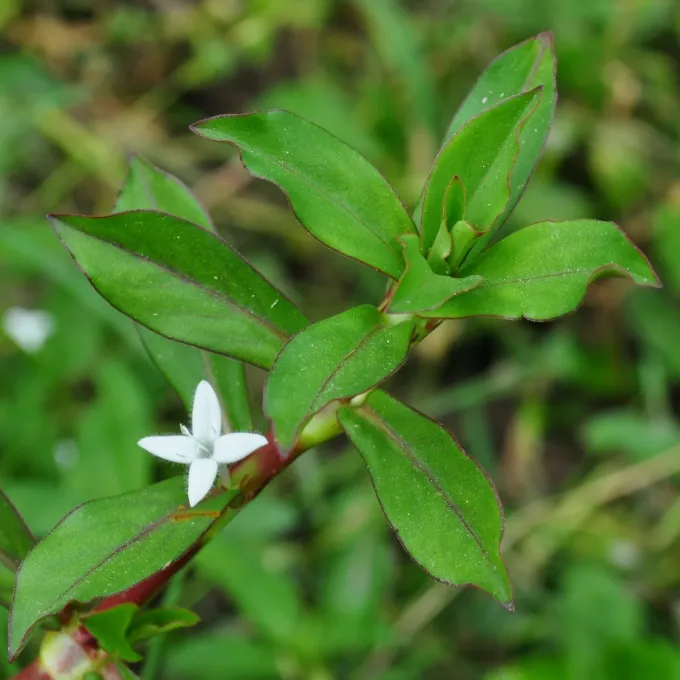
Botanically, the species is characterized by its opposite, lanceolate leaves and a sprawling growth habit. The plant is known for its ability to form dense ground cover, which helps in suppressing weeds and protecting the soil surface from erosion in traditional cultivation settings.
Regarding climatic requirements, Diodia saponariifolia thrives in areas with consistent tropical temperatures. It is strictly a non-frost-hardy species, and any exposure to freezing temperatures will lead to plant death. High relative humidity is essential for maintaining optimal photosynthetic rates.
The crop requires fertile, moisture-retentive soils that are well-drained. Soils with a high level of organic matter support the best yields, allowing the plant to develop a robust root system. If the soil is too clay-heavy, drainage improvements are mandatory to prevent root asphyxiation.
Agricultural management involves regular weeding and potential irrigation during dry spells. Fertilizer application should be focused on nitrogen-rich sources to encourage leafy biomass production, which is often the primary economic objective for this type of botanical cultivation.
Main diseases and pests
The most significant threats to the health of Diodia saponariifolia crops are fungal pathogens that flourish in high-humidity conditions. Stem rot and foliage blights are common problems that can quickly devastate a field if airflow is restricted or if the soil remains constantly waterlogged.
Pest pressures primarily come from sap-sucking insects, such as aphids and various mite species. These pests weaken the plant by extracting essential nutrients, leading to yellowing of the leaves and stunted growth, which ultimately affects the overall quality and quantity of the harvest.
Effective management includes implementing a strict rotation schedule and ensuring adequate spacing between plants to improve ventilation. Removing diseased plant material immediately upon detection is a crucial practice to contain potential outbreaks and protect the rest of the crop.
Biological control measures are highly recommended over chemical pesticides to maintain the ecological balance of the growing site. Natural predators, such as ladybugs or specific mites, can effectively control aphid populations when managed within an integrated pest management strategy.
Soil health monitoring is also vital, as nutrient deficiencies can exacerbate plant susceptibility to diseases. Ensuring the soil pH remains within the optimal range (typically slightly acidic to neutral) helps the plant maintain a strong immune system against common regional pathogens.