
Duggena spicata
Duggena spicata
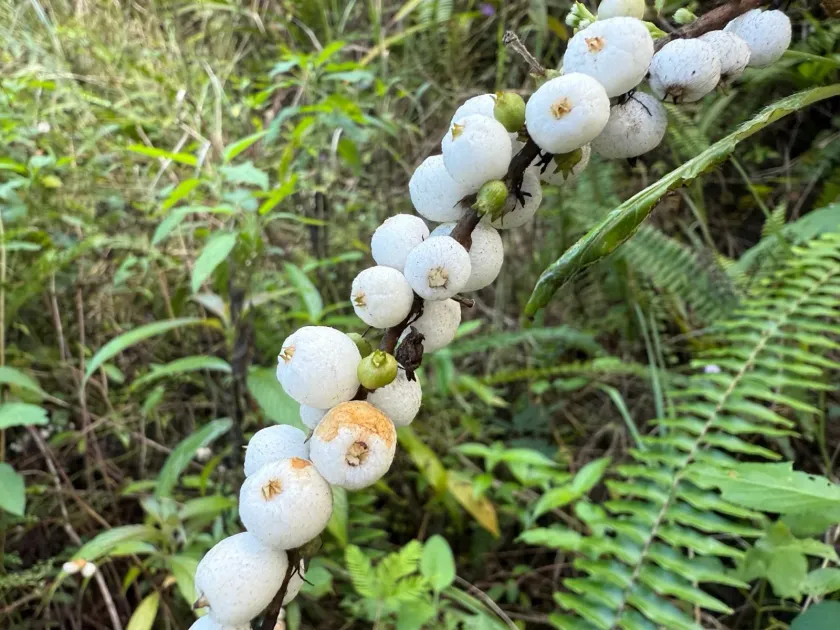
Description
Sowing dates
Duggena spicata is a plant belonging to the Rubiaceae family, typically found in tropical environments. Propagation is usually achieved through seeds, which require specific moist conditions to break dormancy and initiate germination.
In cultivation, seeds are sown in a light, porous medium that retains moisture without becoming waterlogged. Proper drainage is essential during the early stages of plant development to prevent seedling damping-off.
The timing of sowing depends on environmental controls. In controlled greenhouse settings, year-round sowing is possible, provided that temperature and humidity levels are strictly regulated.
Seeds should be covered with a very thin layer of substrate. Excessive burial may lead to seed rot due to the lack of oxygen available for the embryonic development during the first days.
Monitoring the moisture levels of the sowing surface is vital. A misting system is often employed to maintain the high relative humidity required for consistent germination rates in this species.
Growing requirements
This species thrives in environments with high relative humidity and stable warm temperatures. It is sensitive to sudden cold snaps, which can inhibit growth and cause significant physiological stress.
The soil requirements focus on high organic content and slightly acidic pH values. A well-aerated potting mix that avoids compaction is ideal for supporting the developing root system of the plant.
Light intensity should be managed to ensure the plant receives sufficient energy for photosynthesis without suffering from heat stress. Partial shade is often necessary, especially in tropical climates where midday sun is intense.
Regular irrigation is required, keeping the root zone consistently moist but never waterlogged. Overwatering can lead to rapid decay of the delicate roots, which is a common issue in intensive cultivation.
Nutrient application should be balanced, focusing on a slow-release fertilizer formula that provides nitrogen, phosphorus, and potassium throughout the vegetative growing season.
Main diseases and pests
Fungal pathogens represent the most significant threat to Duggena spicata, particularly species that thrive in damp, stagnant air. Root rot pathogens often colonize containers that lack proper drainage.
Pest pressure from spider mites is frequently observed when environmental humidity falls below the optimal range. These pests can rapidly infest the undersides of leaves, causing yellowing and tissue necrosis.
Scale insects are another common concern, often attaching to the stems where they drain sap and weaken the plant structure. Manual removal or application of horticultural oils is often effective for management.
Powdery mildew may occur if there is insufficient airflow around the plants. Ensuring proper spacing between individual plants is a critical cultural practice to mitigate this risk.
Integrated pest management strategies are recommended, emphasizing cultural controls such as proper sanitation, spacing, and the removal of infected plant tissues as soon as they are identified.