
Crucianella aegyptiaca
Crucianella aegyptiaca
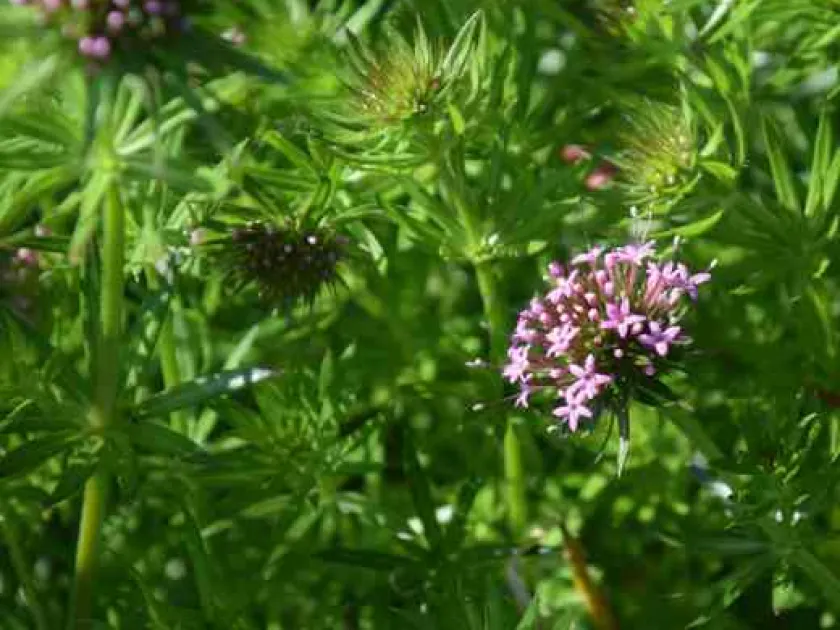
Description
Sowing dates
Crucianella aegyptiaca is a member of the Rubiaceae family, representing a specialized botanical group adapted to arid and semi-arid environments.
The sowing process typically commences in early spring, once soil temperatures remain consistently above the threshold required for successful seed germination.
The seeds should be sown at a shallow depth to ensure they receive enough warmth while maintaining proximity to the moisture layer in the soil profile.
Proper spacing is crucial to ensure each plant receives adequate nutrition and solar exposure, which are limiting factors in the natural habitat of this species.
Seedbed preparation requires fine soil structure to support the early developmental stages of the seedlings, which are relatively slow-growing initially.
Growing requirements
The species prefers light, sandy, or loamy soil textures that provide excellent drainage, as the roots are sensitive to waterlogging and soil compaction.
Full sun exposure is an absolute requirement for the healthy growth of Crucianella aegyptiaca; any level of shading leads to decreased vitality and yield.
The plant thrives in climates with high temperature fluctuations, showing significant resilience to dry conditions once the root system is well-established.
Soil pH should ideally be neutral or slightly alkaline, reflecting the chemical composition of the soils in its native North African and Middle Eastern range.
Water management is critical: supplemental irrigation should be applied sparingly, mimicking the irregular precipitation patterns of its indigenous ecology.
Main diseases and pests
Fungal pathogens associated with excessive soil moisture pose the primary threat to the health and survival of Crucianella aegyptiaca plantings.
Root rot and collar rot are common manifestations of poor drainage, often exacerbated by over-irrigation or high humidity in the root zone.
Pests such as mites and aphids may inhabit the foliage, especially in seasons where the plant is stressed by environmental extremes or poor nutrient status.
Integrated pest management strategies are recommended to maintain plant vigor, emphasizing sanitation and the removal of infected debris from the field.
Regular inspection of the basal stem area is advised to catch early signs of disease, allowing for timely intervention before localized infections spread.