
Craterispermum laurinum
Craterispermum laurinum
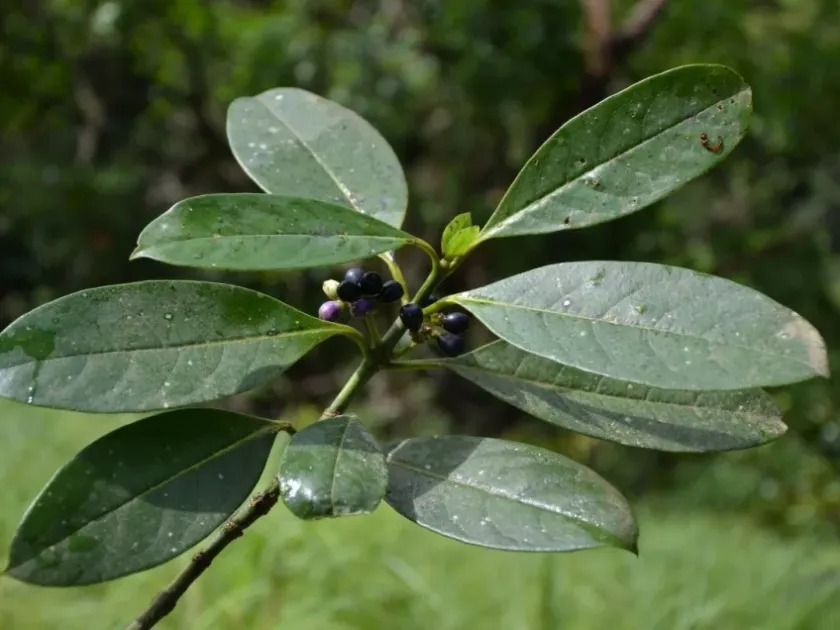
Description
Growing requirements
Craterispermum laurinum is a tropical woody plant belonging to the Rubiaceae family, natively found in the evergreen forests of tropical Africa.
The plant thrives in warm, humid climates, requiring consistent temperatures and protection from cold drafts to maintain its metabolic activities throughout the year.
Soil requirements for this culture include high organic matter content, well-draining structures, and a slightly acidic pH to support efficient nutrient uptake.
As a forest understory species, it prefers semi-shaded environments, avoiding intense direct sunlight which can scorch its lanceolate, leathery foliage.
Economic use of the plant primarily involves the extraction of bioactive compounds from its leaves and bark, which are researched for their medicinal properties.
Main diseases and pests
Primary threats to this crop involve fungal pathogens, particularly those affecting the root system during periods of excessive soil moisture and poor drainage.
Insect pests such as spider mites and scale insects are common in controlled environments, often proliferating when air humidity is lower than the native requirements.
Leaf spot diseases, common in tropical forest flora, can develop if foliage remains wet for extended periods in environments with poor air circulation.
Invasive pests can weaken the plant, making it more susceptible to opportunistic secondary bacterial infections that target damaged woody tissue.
Integrated pest management, including regular inspection and the use of natural fungicides, is essential to sustain the health and productivity of the plant.