
Chassalia curviflora
Chassalia curviflora
Description
Growing requirements
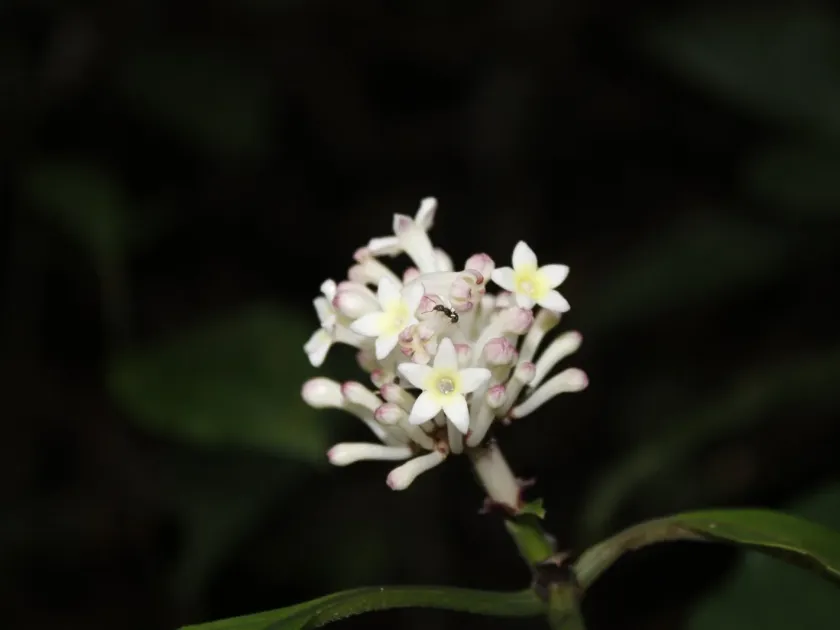
Chassalia curviflora is a member of the Rubiaceae family, typically found in the tropical understories of Southeast Asia. This evergreen shrub is valued for its unique floral morphology and dense, glossy foliage, making it a subject of interest for specialized horticulture.
The plant thrives in environments that mimic its natural habitat, requiring high humidity and bright, indirect light. Exposure to intense sunlight should be avoided to prevent foliar damage and maintain the vibrant green color of the leaves.
A well-draining, nutrient-rich soil mix is essential for the healthy growth of Chassalia. Incorporating organic matter such as peat or leaf mold helps maintain the desired soil texture and acidity level, promoting optimal root development and nutrient uptake.
Consistent temperature management is crucial, as the species does not tolerate cold exposure. The ideal temperature range for year-round cultivation lies between 22 and 28 degrees Celsius, requiring a stable climate controlled environment in non-tropical regions.
Maintenance practices involve regular fertilization with balanced liquid nutrients during the active growing season. Periodic pruning is also recommended to manage the shrub's architecture, encourage bushier growth, and promote the development of new flowering stems.
Main diseases and pests
In cultivation, Chassalia curviflora is susceptible to common pests such as spider mites, particularly when air humidity levels drop below the optimal threshold. Infestations can lead to yellowing leaves and reduced vigor.
Mealybugs represent another significant threat, often colonizing the crevices of stems and leaf junctions. Regular inspection and the use of insecticidal soaps are effective strategies to keep these pests under control before they cause substantial damage.
Root rot is the most common physiological disorder, primarily caused by waterlogged soil conditions. Proper drainage and adhering to a strict watering schedule are necessary to prevent the proliferation of soil-borne fungi that attack the root system.
Fungal leaf spots can occur when ventilation is poor and moisture lingers on the foliage for extended periods. Ensuring good airflow around the plants and avoiding overhead irrigation can significantly mitigate the risk of these infections.
In the event of severe pest or disease outbreaks, the application of systemic fungicides or selective pesticides is advised. Always follow the manufacturer's guidelines to ensure plant safety and effective eradication of the identified pathogens.