
Cinchona
Cinchona officinalis
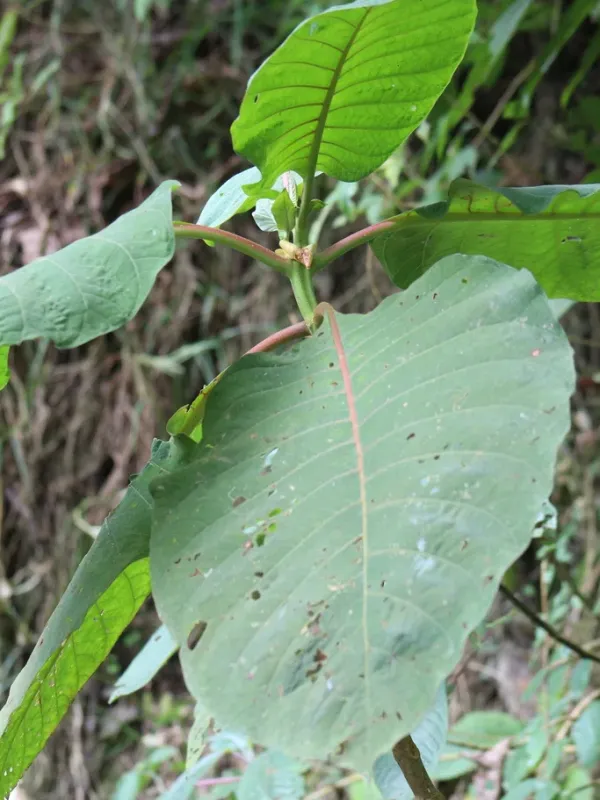
Description
Growing requirements
Cinchona officinalis is a perennial evergreen tree belonging to the Rubiaceae family, historically originating from the Andean cloud forests in South America.
The crop requires a tropical highland climate, characterized by cool to moderate temperatures ranging from 15 to 25 degrees Celsius and high atmospheric humidity.
Successful cultivation depends on high rainfall patterns and well-distributed moisture throughout the year, which mimics its natural mountain habitat.
Soil requirements are strict: the tree demands deep, rich, and slightly acidic soils with excellent internal drainage to prevent root saturation and subsequent mortality.
While mature trees can tolerate some sunlight, saplings and young plants require shading to avoid photo-inhibition and to promote steady growth during their early developmental stages.
Yield
The primary economic value of Cinchona is derived from its bark, which serves as the unique natural source of the alkaloid quinine, widely used in the pharmaceutical industry.
The cultivation cycle for harvesting bark is relatively long, typically requiring trees to be between 8 and 12 years old to reach optimal alkaloid concentrations.
Production efficiency is managed through high-density planting schemes, where specific fertilizer regimens are applied to enhance the biological production of cinchona alkaloids.
Harvesting usually involves stripping the bark from the trunks, which often results in the removal of the tree, necessitating a sustainable replanting cycle for long-term farm viability.
Beyond pharmaceutical applications, Cinchona bark extracts are globally utilized in the beverage industry as a natural bittering agent for tonics and specialized mixers.
Main diseases and pests
Root rot, caused by various fungal pathogens like Phytophthora, represents the most significant threat to Cinchona plantations, especially in poorly drained areas.
Leaf-spot diseases can compromise the photosynthetic capacity of the trees, leading to stunted development and a reduction in the overall alkaloid content of the bark.
Various insect pests, particularly borers and sap-sucking insects, target the stems and leaves, requiring careful integrated pest management strategies.
Proper spacing between plants is essential to maintain airflow and reduce the humidity levels that favor the rapid spread of fungal spores across the plantation.
Farm management must prioritize sanitary measures, such as removing infected trees, to protect the healthy population and ensure the consistency of the final bark yield.