
Chassalia gaertneroides
Chassalia gaertneroides
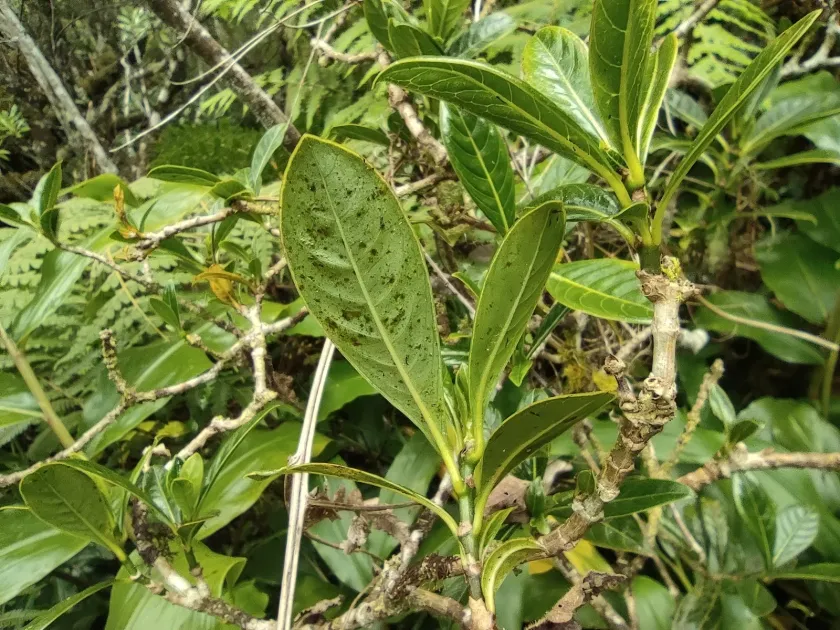
Description
Growing requirements
Chassalia gaertneroides is a member of the Rubiaceae family, widely known for including significant tropical plants. This species is native to humid forest environments, where it grows as a hardy understory shrub. Its biological cycle is closely tied to consistent tropical climates.
Climate requirements for successful cultivation center on high humidity and stable warm temperatures. Ideally, temperatures should remain between 22 and 28 degrees Celsius. The crop is highly sensitive to cold, and frost exposure typically leads to rapid tissue necrosis and plant death.
Regarding soil preferences, the plant thrives in well-draining, nutrient-rich, acidic substrates. A blend of compost, peat, and coarse sand provides the necessary aeration for its delicate root system. Compacted, heavy clay soils are unsuitable and should be avoided at all costs.
Lighting conditions should be managed to mimic a forest canopy. While the plant requires significant light to drive photosynthesis, direct sunlight will scorch the leaves and cause stunted growth. A filtered or partially shaded environment is considered optimal for commercial and ornamental setups.
Agricultural maintenance involves consistent moisture management and seasonal fertilization. Organic mulching is recommended to maintain soil moisture levels and prevent rapid surface evaporation. Given its slow growth rate, patience and controlled interventions are required to maintain the plant's health.
Harvesting
Harvesting strategies for this crop depend on the specific intended use, such as botanical research or propagation. Manual harvesting techniques are standard practice to preserve the integrity of the foliage and seeds. Proper post-harvest handling includes storing material in cool, shaded, and ventilated environments to prevent fungal spoilage.