
Catunaregam longispina
Catunaregam longispina
Description
Growing requirements
Catunaregam longispina is a perennial evergreen shrub or small tree belonging to the Rubiaceae family. Naturally found in the tropical regions of Asia, including India and Southeast Asia, it is highly valued for its secondary metabolites and ecological roles.
The plant requires well-drained, fertile soils with a slightly acidic to neutral pH balance. It thrives in humid tropical climates where temperatures remain consistently warm throughout the year, typically between 20 and 30 degrees Celsius.
Sunlight is essential for the healthy growth and development of the canopy. While young plants can tolerate partial shade, mature specimens require full exposure to maintain optimal flowering and subsequent fruit production levels.
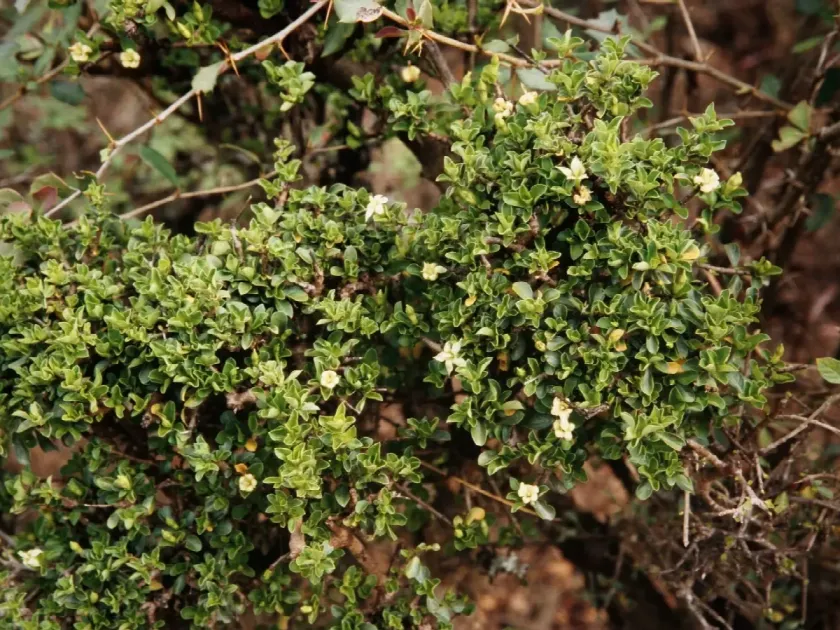
Botanically, the plant is characterized by its long, sharp spines on the stems, which serve as a natural defense mechanism. The leaves are opposite and leathery, and the flowers are known for their distinct fragrance that attracts specific pollinators.
In agricultural practice, the plant is cultivated for its fruit, which is rich in saponins. These natural surfactants are utilized in traditional medicine, as local insecticides, and in the production of organic shampoos and detergents.
Main diseases and pests
Common pests include scale insects and spider mites that colonize the undersides of leaves, especially in hot and dry conditions. Regular monitoring and pruning are vital to control pest populations before they cause significant damage.
Fungal leaf spot diseases represent a frequent threat in humid environments. To mitigate this, agriculturalists should ensure adequate spacing between plants to promote airflow and reduce humidity levels within the shrub canopy.
Root rot is a major risk in waterlogged soils. It is essential to choose planting sites with excellent drainage and to implement strict irrigation schedules that prevent moisture from accumulating around the root collar.
Viral pathogens may cause mosaic symptoms and stunted growth in young plants. The removal of affected plants and the maintenance of rigorous sanitation protocols are the most effective management strategies to prevent spread.
Nutrient deficiencies, specifically magnesium and iron, can lead to leaf yellowing. Regular soil analysis and the application of balanced fertilizers are recommended to ensure the plant maintains its vigor and resistance to biotic stressors.