
Catunaregam spinosa
Catunaregam spinosa
Description
Growing requirements
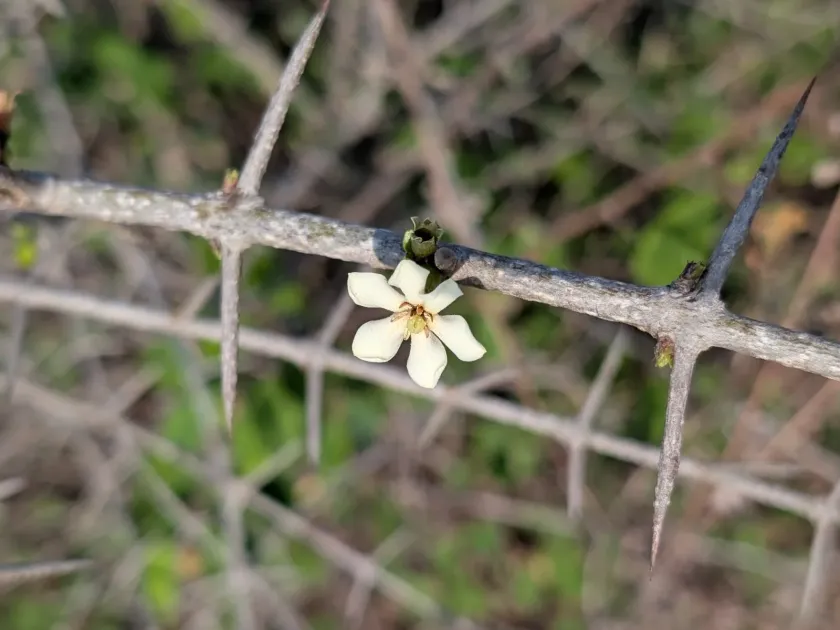
Catunaregam spinosa is a perennial woody shrub or small tree belonging to the Rubiaceae family. Botanically, it is distinguished by its dense branching structure and sharp, woody spines that provide effective defense against grazing animals in its natural habitat.
Originating from the tropical and subtropical regions of Asia and Africa, this species thrives in climates with distinct warm seasons. It is commonly found in deciduous forests, scrublands, and open areas, showing remarkable adaptability to varied soil types, including sandy loams and rocky terrain with good drainage.
The cultural requirements for Catunaregam spinosa involve exposure to full sun, which is essential for healthy flower and fruit production. While young plants require moderate moisture for establishment, mature specimens are highly drought-tolerant, making them suitable for low-input agroforestry projects in arid environments.
In terms of agricultural management, the plant does not require intensive fertilization, though it benefits from periodic pruning to maintain shape and manage the spread of its dense canopy. Pruning also helps in facilitating the harvest of its fruits, which are the primary economic part of the plant.
The plant has extensive traditional applications, particularly in herbal medicine, where various parts are used for their pharmacological properties. The fruit extracts are known to contain saponins, which are historically utilized for their foaming properties in cleaning as well as their therapeutic effects in treating various digestive and skin ailments.