
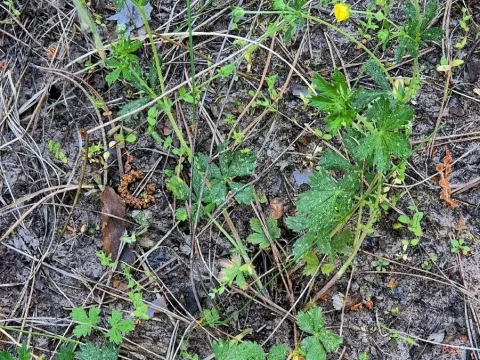
Collina cinquefoil
Potentilla collina
Collina cinquefoil (Potentilla collina) is a herbaceous perennial plant belonging to the diverse Rosaceae family. It is typically found in dry grasslands, rocky slopes, and steppe habitats across Europe, showcasing its remarkable adaptation to harsh environments.
What the section contains
Collina cinquefoil
The plant is known for its drought-tolerant nature, supported by a robust root system that effectively absorbs water from shallow or rocky soil layers. It thrives in well-drained, lime-rich substrates where aeration is optimal for root development.
Cultivation of this species requires a location with full sun exposure. As a photophilous plant, it demands high intensity of solar radiation to ensure healthy development and to prevent the etiolation of its stems during the active growing season.
Regarding climate, this species is highly frost-resistant and well-adapted to temperate regions. It can endure cold winters without significant damage, making it a reliable perennial for various landscaping or conservation purposes.
In terms of agricultural management, the plant requires very little intervention once established. Maintaining a weed-free environment during the initial stages is crucial, as the species does not handle competition with aggressive weeds very well.
Fungal diseases, specifically powdery mildew, represent the primary threat to the vitality of Potentilla collina during periods of high humidity and poor air circulation. These pathogens can rapidly impair the photosynthetic capacity of the leaves.
Pests such as beetles and weevils often feed on the foliage and reproductive organs of the plant. Significant infestation can stunt the growth and reduce the overall yield of biomass, which is critical if the plant is being utilized for medicinal raw materials.
Root rot is a common issue when the soil moisture exceeds the plant's tolerance levels. Poor drainage management is the main cause, leading to the decay of the root crown and eventual death of the entire plant structure.
Effective management includes regular inspection for symptoms of nutrient deficiency or insect activity. Removing affected plant parts can help contain the spread of fungal spores in a localized garden or field environment.
Biological control methods are preferred for managing pests in order to preserve the local biodiversity. Ensuring adequate spacing between plants significantly reduces the microclimatic humidity that favors the development of various pathogens.