
Argentina lineata
Argentina lineata
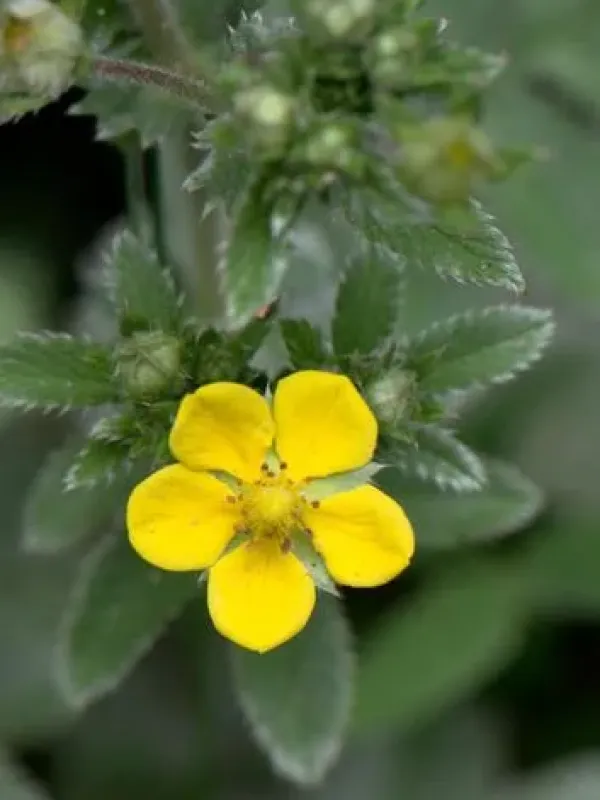
Description
Sowing dates
Argentina lineata is a distinctive member of the Rosaceae family, known for its adaptability in various agricultural and horticultural settings. Successful cultivation begins with the precise selection of the sowing period, usually occurring in early spring once soil temperatures reach 10-12°C.
Seeds should be planted at a shallow depth, typically 1 to 2 centimeters, ensuring they receive enough moisture to germinate effectively. Row spacing should be maintained at 30-40 centimeters to allow for optimal airflow and development.
For vegetative propagation, dividing the rootstock in early spring is highly effective. This method ensures that the plant establishes a strong foundation before the heat of mid-summer occurs.
Stratification of seeds prior to sowing can significantly improve germination rates, especially if the seeds were stored over the winter period. This cold treatment mimics natural conditions and triggers the growth cycle.
Using a lightweight seedbed covering or light mulching helps maintain a stable moisture level for the germinating seeds, which is essential for uniform crop emergence.
Growing requirements
This species thrives in well-drained, fertile soil, ideally with a neutral to slightly acidic pH. Avoiding compacted soil is crucial to prevent water stagnation, which can lead to root system decay.
The plant requires full sun exposure for healthy growth and strong physiological performance. While it is hardy, providing protection from harsh wind in exposed locations can improve overall plant structure.
Watering should be managed consistently, focusing on providing moisture during dry spells while avoiding saturation. Efficient irrigation practices, such as drip lines, can maximize water use efficiency.
Nutrient management involves applying balanced NPK fertilizers during the early vegetative phase, followed by a switch to phosphorus-rich fertilizers as the plant approaches its budding stage.
Routine weeding and cultivation of the inter-row space are vital to minimize resource competition with weeds and to improve soil aeration, directly benefiting the health of the plants.
Main diseases and pests
Powdery mildew is a common fungal challenge, particularly when high humidity and poor ventilation exist. Management involves pruning affected parts and using systemic fungicides when necessary.
Aphids can cause significant damage to the soft tissues of the leaves and stems. Integrated pest management, including the use of beneficial predatory insects, is recommended for long-term control.
Root rots represent a severe threat usually associated with over-irrigation or heavy, clay-rich soil. Prevention through proper site preparation and drainage improvement is far more effective than chemical treatment.
Leaf-eating pests require vigilant monitoring, as they can rapidly defoliate large portions of the crop during the peak growing season. Targeted insecticide applications are effective if applied during early infestation.
Overall, maintaining healthy plant vigor through balanced nutrition and proper spacing acts as the primary defense mechanism against most common pathogens and pests associated with this species.