
Potentilla astracanica
Potentilla astracanica
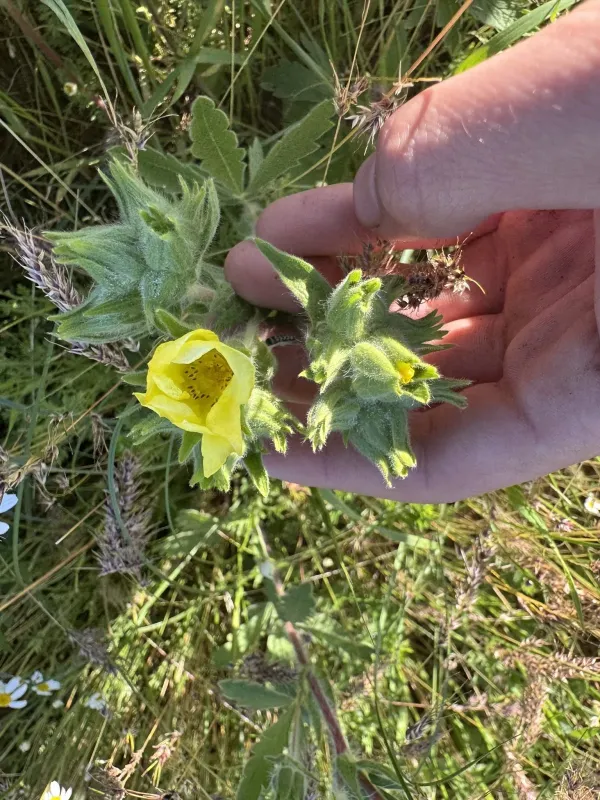
Description
Growing requirements
Potentilla astracanica is a perennial herbaceous plant belonging to the Rosaceae family. Native to arid steppe regions, it exhibits exceptional resilience to harsh environments and is well-adapted to continental climate conditions.
This species features a robust root system, which is an essential adaptation for survival in dry soils with fluctuating moisture levels. It thrives in open, sunny locations where direct sunlight promotes healthy vegetative growth.
The optimal soil for cultivation is characterized by good drainage and a moderate mineral profile. Heavy, waterlogged soils are detrimental to the plant, often leading to physiological stress or root rot.
Cultivation practices primarily focus on initial establishment, ensuring the plants are free from invasive weeds. Once the root system is established, the crop demonstrates high drought tolerance and requires little supplemental watering.
Agricultural use of this plant is centered on its phytochemical properties, as it serves as a source of tannins and other bioactive compounds. It is also valued for its role in xeriscaping and restoring arid agricultural landscapes.
Main diseases and pests
The primary threats to the crop include fungal pathogens that thrive under high humidity conditions. Fungal infections, such as powdery mildew, can severely impact the quality of the harvested biomass if not managed correctly.
Insect pests such as aphids and various weevil species pose a consistent threat to the foliage and buds. Integrated pest management strategies are advised to minimize damage while maintaining environmental safety.
Maintaining proper plant spacing is a critical agronomic requirement. Adequate distance between plants facilitates airflow, which reduces the risk of humidity-related disease outbreaks in the canopy.
Soil management plays a vital role in preventing the build-up of soil-borne pathogens. Rotating crops within the field is a standard practice to prevent the depletion of soil nutrients and the accumulation of pests.
Regular field scouting is essential during the active growing season. Early detection of any irregular growth patterns allows for targeted management and ensures the overall health of the agricultural crop.