
Potentilla atrosanguinea
Potentilla atrosanguinea
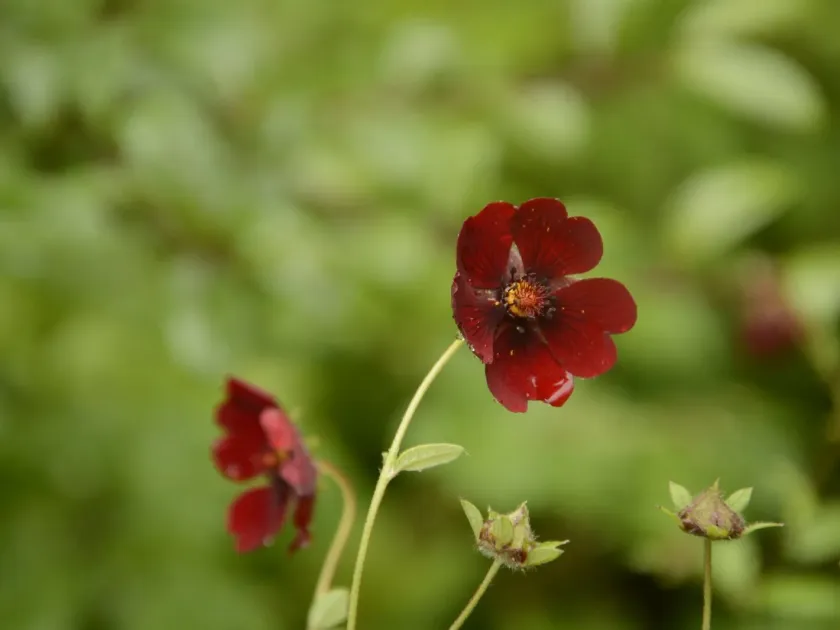
Description
Sowing dates
Sowing Potentilla atrosanguinea seeds is typically performed in early spring or autumn. Seeds require stratification to achieve optimal germination rates, which involves keeping them in a cool environment for several weeks before sowing.
When starting indoors, seeds are placed in seed trays in late winter. Once the seedlings reach a sufficient size, they are transplanted into individual pots to develop a robust root system before moving them outdoors.
Propagation through root division is a highly effective and reliable method for gardeners. This is best accomplished during the dormant season, usually in early spring as growth begins or in late autumn after the foliage dies back.
This species belongs to the Rosaceae family and originates from the high-altitude regions of the Himalayas. This botanical heritage makes the plant exceptionally hardy and capable of surviving in diverse temperate garden environments.
Proper spacing during planting is crucial to ensure long-term health. A gap of at least 30 to 40 centimeters between individual plants is recommended to allow for adequate ventilation and prevent overcrowding.
Growing requirements
The plant thrives in full sun, where it receives enough light to produce its characteristic dark crimson blooms. While it can tolerate partial shade, the flowering density is often reduced in such conditions.
Soil requirements focus on high permeability and moderate fertility. A well-drained, slightly acidic to neutral soil composition is ideal for preventing root rot and promoting vigorous growth throughout the growing season.
Watering management should be consistent but cautious. The plant is relatively drought-tolerant once established, but it requires regular moisture during the first year of growth to ensure successful root development.
Fertilization is beneficial in early spring to support the initial flush of growth. A balanced, slow-release fertilizer can provide the necessary nutrients without causing excessive succulent foliage growth.
Mulching the soil around the base helps maintain an even moisture level and suppresses weed competition. Organic mulch, such as pine bark or compost, also adds essential nutrients back into the topsoil.
Main diseases and pests
Common pests that may affect the plant include aphids and spider mites. Regular monitoring of the foliage, especially during hot and dry spells, is necessary to catch infestations before they cause significant damage.
Powdery mildew is the most frequent fungal disease, often triggered by stagnant air and high humidity. Ensuring proper spacing between plants is the most effective preventative measure against this pathogen.
In cases where fungal diseases are present, the application of appropriate fungicides is recommended. Removing and disposing of infected plant material helps prevent the spores from overwintering in the garden.
Root rot, while less common in well-drained soil, can occur if the plant is overwatered. Symptoms include yellowing leaves and wilting stems, which indicate an urgent need to improve the drainage of the site.
Overall, maintaining plant hygiene by removing dead stems and fallen leaves in late autumn reduces the risk of pest and disease outbreaks for the following growing season.