
Argentina microphylla
Argentina microphylla
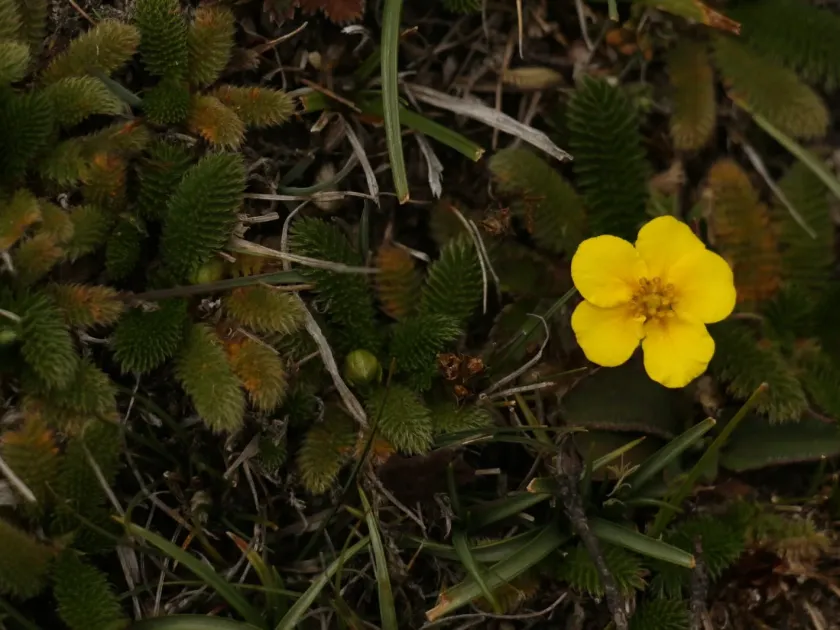
Description
Growing requirements
Argentina microphylla, formerly known as Potentilla microphylla, is a perennial herbaceous plant belonging to the Rosaceae family. It is native to the high-altitude mountain regions of Asia, specifically the Himalayas, where it thrives in rocky, nutrient-poor soils.
The plant is characterized by its compact, prostrate growth habit and pinnate leaves made of small leaflets. This structure allows it to adapt to harsh, wind-exposed environments, forming dense mats that are highly valued in alpine gardening.
Successful cultivation requires well-draining, stony soil. It is critical to prevent water stagnation around the root collar, as the species is highly susceptible to root rot if moisture levels remain high for extended periods during the dormant season.
Regarding climate, the species prefers full sun exposure to maintain its compact form and produce yellow flowers. It is highly cold-hardy, making it a reliable choice for gardens in northern latitudes where other ornamental species might succumb to frost.
As an ornamental crop, it is primarily used in rock gardens, scree beds, and as a ground cover. Its ability to tolerate poor soils and low temperatures makes it a low-maintenance option for professional landscaping and hobbyist gardening alike.
Main diseases and pests
Fungal diseases are the primary concern for this crop, particularly during humid seasons. Root rot is the most common fatal issue caused by poor drainage and excessive irrigation, leading to sudden wilting and collapse.
Powdery mildew represents a chronic threat, manifesting as a white powdery coating on the foliage. While usually not fatal, it severely detracts from the plant's aesthetic value and hampers its long-term growth.
Spider mites are the most frequent pests, thriving in hot, dry conditions. They pierce the leaf cells to suck out the sap, causing leaves to turn pale and eventually drop, significantly weakening the plant's vigor.
Aphids can infest tender new growth, especially during the spring season, causing leaf curling and potential stunted development. Integrated pest management, including natural predators, is often preferred for these hardy alpine species.
The best defense against these threats is proactive care: selecting highly permeable soil, avoiding overhead watering in stagnant air conditions, and regular monitoring for early signs of pest outbreaks or fungal lesions.