
Argentina polyphylla
Argentina polyphylla
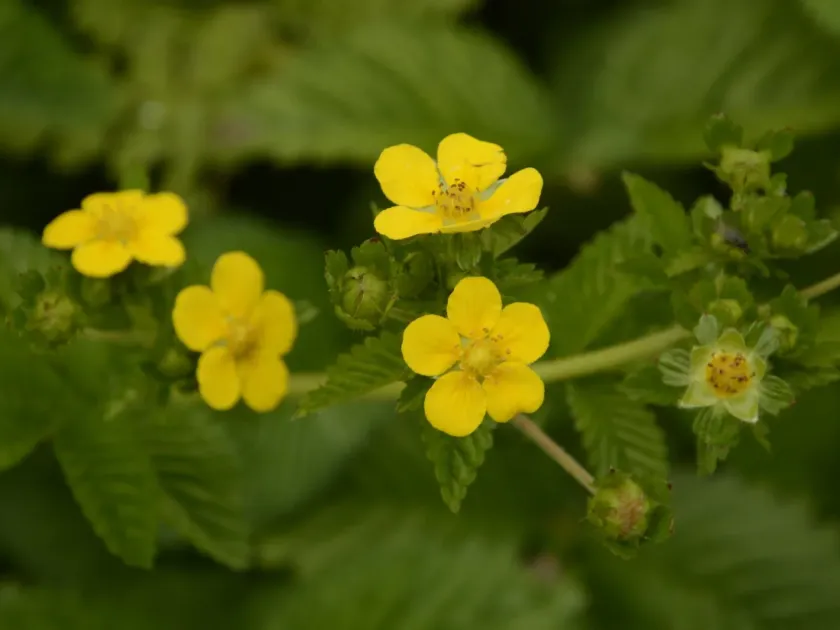
Description
Growing requirements
Argentina polyphylla, formerly classified within the genus Potentilla, is a perennial herbaceous plant belonging to the Rosaceae family. It is a highly specialized species adapted to harsh alpine and subalpine environments.
The plant originates from the mountainous regions of Central Asia, specifically thriving in high-altitude meadows, rocky outcrops, and scree slopes. Its natural distribution is a testament to its extreme resilience against cold and drought.
Agricultural success with this species depends on mimicking its native environment. It requires well-drained, sandy or gravelly soils, as the plant is highly sensitive to waterlogged conditions that can cause root decay.
Morphologically, Argentina polyphylla is characterized by a dense rosette of pinnate leaves and a robust, deep-penetrating root system. This structure is ideal for stabilizing mountain soils and surviving intense wind exposure.
In terms of agricultural utility, it serves as a valuable forage component in high-altitude pastures. It contributes to the overall biomass production in regions where traditional forage crops fail due to climatic constraints.
Main diseases and pests
The plant demonstrates significant innate resistance to many conventional crop diseases, largely due to its adaptation to a specific and relatively isolated high-altitude microbial environment.
Potential threats include herbivory by specialized mountain insect species, although these rarely cause total crop failure. The density of the foliage and its chemical composition often serve as a natural defense.
Fungal issues such as root rot can occur if the soil aeration is inadequate, which emphasizes the critical importance of proper site selection regarding drainage and texture.
Preventive management practices, such as maintaining appropriate stocking density for grazing and avoiding soil compaction, are essential to ensure the longevity of the plant stands.
Continuous monitoring is advised, particularly during unusually wet seasons, to detect early signs of stress that could predispose the plants to pathogen infection in non-native soil conditions.