
Argentina lignosa
Argentina lignosa
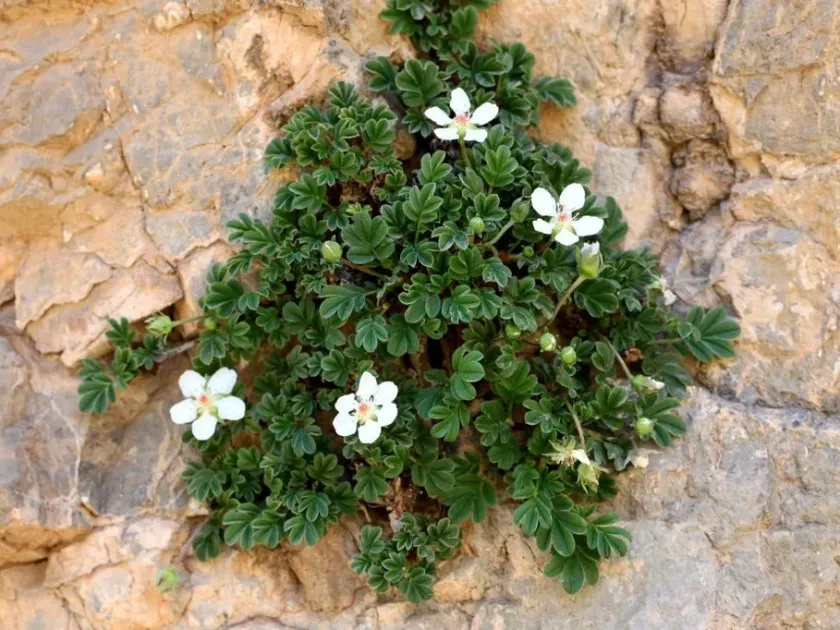
Description
Growing requirements
Argentina lignosa is a perennial woody shrub belonging to the Rosaceae family, recognized for its specific morphological characteristics and adaptability to various temperate environments.
This plant typically requires well-draining, nutrient-rich soil to ensure optimal development and to prevent the physiological stress associated with waterlogged conditions.
Regarding climate, it thrives in moderate sun exposure and demonstrates resilience to seasonal temperature changes, making it a versatile choice for landscaping.
Proper cultivation involves maintaining soil moisture levels that support vigorous growth while ensuring that the root zone remains sufficiently aerated throughout the season.
The agricultural or horticultural value of this species lies in its structural utility and ornamental application, often used for soil stabilization and decorative gardening.
Main diseases and pests
The primary health risks for Argentina lignosa include fungal infections such as powdery mildew, which can significantly damage leaf tissues if humidity remains high.
Pests such as aphids and spider mites are common threats that target the soft tissue of new sprouts, necessitating proactive monitoring and management strategies.
Integrated pest management, including the use of targeted insecticides and manual removal of infested sections, is essential for maintaining plant vitality.
Sanitation practices, such as removing fallen leaves and pruning dead wood, are critical to reducing the inoculum of potential pathogens within the growing area.
Ensuring adequate spacing between plants is a preventive measure that improves air circulation, significantly lowering the probability of disease outbreak in plantations.