
Carallia brachiata
Carallia brachiata
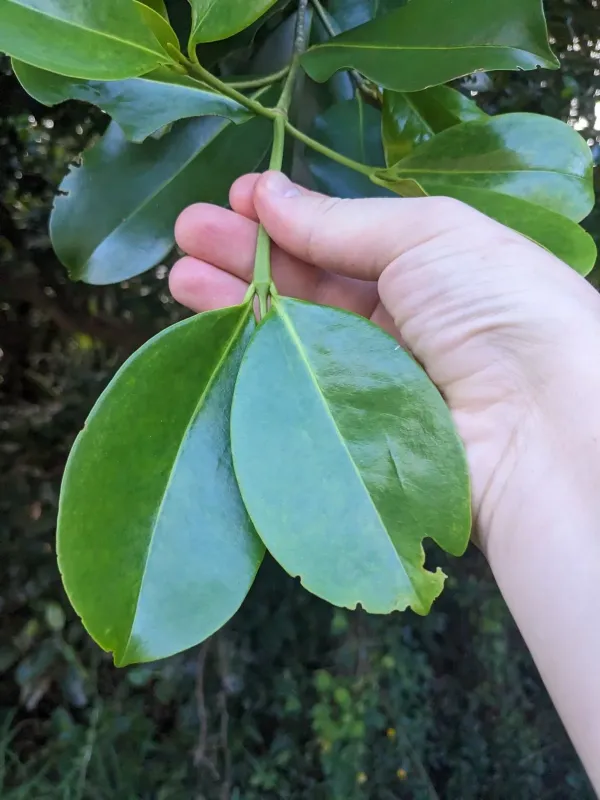
Description
Growing requirements
Carallia brachiata is a notable evergreen tree belonging to the Rhizophoraceae family. It is widely recognized for its robust growth habit in tropical environments, often characterized by the presence of buttress roots which provide mechanical stability in waterlogged soils.
The native range of this species extends across Southeast Asia, India, and parts of Northern Australia. It thrives in diverse habitats including riverbanks, swamp forests, and coastal regions, reflecting its high tolerance for humidity and varying soil moisture levels.
Agricultural success with Carallia requires well-drained, nutrient-rich soils. While the tree can withstand short periods of flooding, it prefers areas with consistent moisture availability and high annual precipitation to maintain its physiological functions.
Climate requirements strictly dictate that Carallia brachiata can only be cultivated in tropical or subtropical zones. It requires year-round warmth, with an optimal growth temperature range between 22°C and 30°C, and is highly sensitive to frost damage.
Botanically, the species features glossy, leathery, opposite leaves and small clusters of flowers. These structural traits are adaptations to high-intensity light and high humidity, allowing the plant to compete effectively in dense forest understories.
Harvesting
The primary economic output of Carallia brachiata is its dense and durable timber. Often sought after for furniture construction, cabinet making, and flooring, the wood is noted for its distinctive grain pattern, which makes it highly desirable in the timber market.
Beyond timber, the species holds significant medicinal potential. Local communities have historically utilized the bark and leaves in traditional remedies due to their antiseptic and astringent properties, linked to a high concentration of tannins and bioactive secondary metabolites.
Harvesting strategies for Carallia focus on sustainable management. Given the slow growth rate of the tree, foresters emphasize selective logging and reforestation programs to ensure a continuous supply of wood without degrading the native ecological balance.
The fruit of the tree plays a crucial role in local biodiversity, serving as a food source for numerous bird species and small mammals. This ecological function enhances the tree's value in integrated agroforestry systems and ecosystem restoration projects.
Commercial cultivation practices for Carallia are increasingly adopting organic standards to ensure that bark and leaf extracts remain free from chemical residues. This approach supports the growing demand for natural, eco-friendly ingredients in the pharmaceutical industry.