
Carallia suffruticosa
Carallia suffruticosa
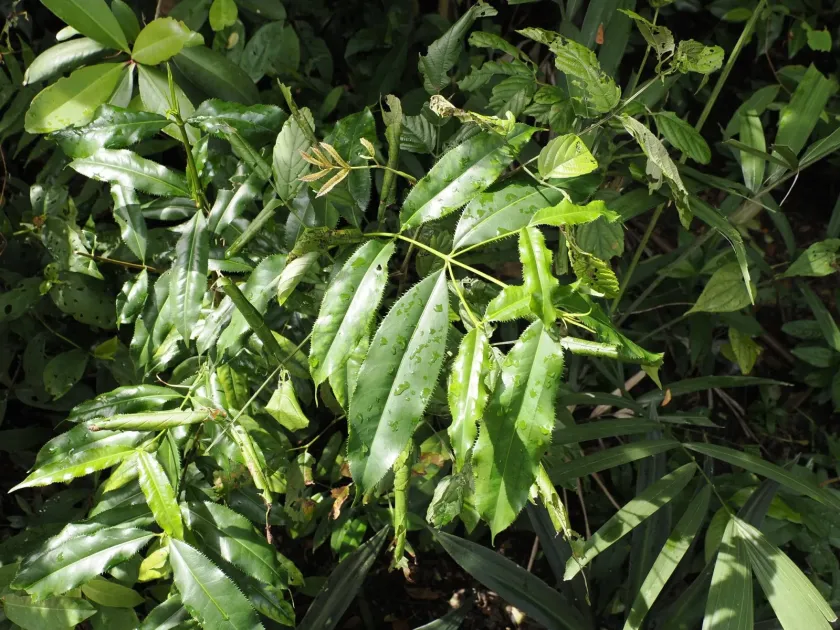
Description
Growing requirements
Carallia suffruticosa is a notable species within the Rhizophoraceae family, distinct for its growth habits in tropical environments. Unlike many of its relatives in the mangrove ecosystem, this plant prefers stable land-based habitats with consistent moisture levels.
Botanically, it presents as a perennial shrub or small tree, characterized by robust, leathery foliage that helps the plant endure fluctuations in transpiration rates. The root system is relatively shallow, requiring porous, well-drained soil substrates.
Successful cultivation requires soil rich in organic matter, typically with a slightly acidic profile. Proper drainage is the single most critical factor, as standing water leads to rapid degradation of the root system and plant decay.
The climate must remain consistently warm, ideally between 22 and 30 degrees Celsius. Exposure to cold or extreme temperature drops can cause significant physiological stress, often resulting in leaf drop or cessation of growth.
Regarding site selection, providing light shade for young plants is essential to prevent tissue scorch. As the plants mature, they can tolerate more direct light, provided the soil moisture is monitored and replenished systematically.
Harvesting
Economic utility of Carallia suffruticosa centers on the extraction of bioactive compounds found in its bark and young stems. Traditional harvesting involves manual collection conducted during the dry season to ensure optimal concentration of active ingredients.
Careful pruning practices are required during the harvest cycle to ensure the long-term viability of the shrub. Over-harvesting can severely weaken the plant, making it susceptible to pathogen attacks in subsequent growing cycles.
Post-harvest processing involves stripping and air-drying the bark in shaded, well-ventilated areas to prevent fungal growth. Once dried, the material must be protected from humidity to maintain the integrity of its chemical properties.
Quality control during harvest involves screening for contaminants and selecting specific growth stages that correlate with the highest yield of useful metabolites. This standard ensures consistent product quality for potential medicinal applications.
While large-scale industrial farming of this species remains limited, sustainable harvesting from managed groves provides a steady income stream for local communities while preserving the surrounding biodiversity.