
Carallia calycina
Carallia calycina
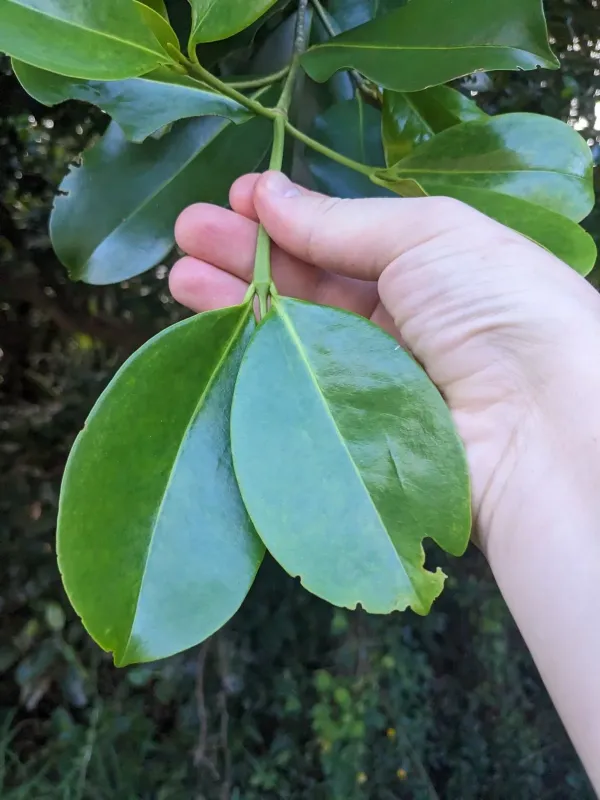
Description
Growing requirements
Carallia calycina is a woody plant belonging to the Rhizophoraceae family. It is native to tropical environments, typically found in humid forests characterized by consistent precipitation and high humidity levels.
The climate requirements for this species include steady temperatures, ideally ranging between 22°C and 30°C. Exposure to cold temperatures or frost can be detrimental to the plant's structural health and development.
Regarding soil conditions, the plant prefers substrates that are rich in organic matter. A well-draining soil profile that maintains moisture without waterlogging is essential for the healthy growth of the root system.
High atmospheric humidity is crucial for Carallia calycina. In agricultural or botanical cultivation settings, ensuring a consistent humidity level of at least 70-80% is necessary for optimal performance.
Light management is another key factor in its growth strategy. The species generally thrives in conditions of filtered sunlight, mimicking the sheltered environment of the tropical forest understory.
Harvesting
The primary economic value of Carallia calycina lies in its high-quality timber, which is recognized for its durability and intricate grain structure suitable for woodworking.
Harvesting operations are typically conducted through sustainable forestry practices, where selected mature trees are removed to minimize disturbance to the surrounding forest habitat.
After felling, the timber must undergo a controlled drying process in specialized facilities to ensure the reduction of moisture content, preventing warping and cracking.
Beyond its timber, secondary harvesting may involve the collection of specific botanical parts used for traditional medicinal purposes or the extraction of chemical compounds for research.
The final processing of the wood involves standard industrial methods, including precise cutting and finishing, making it a valuable material for specialized architectural and decorative applications.