
Ceratopteris cornuta
Ceratopteris cornuta
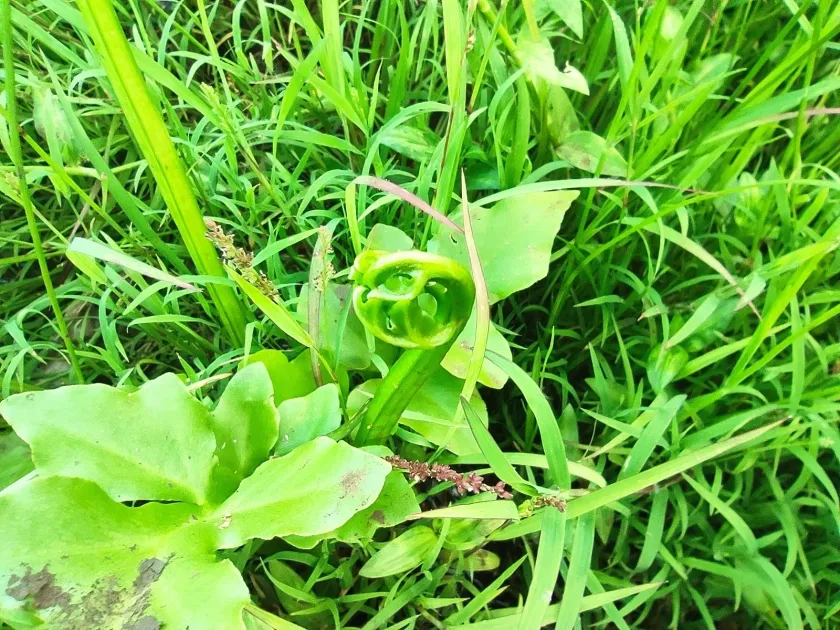
Description
Growing requirements
Ceratopteris cornuta, commonly known as the water hornfern, is a semi-aquatic plant belonging to the Pteridaceae family. It is naturally distributed throughout tropical and subtropical regions of the world, thriving in marshes, rice paddies, and slow-moving streams.
The optimal climate for this species involves high temperatures between +22 and +28 degrees Celsius. As a tropical fern, it requires consistent heat and high humidity if cultivated in semi-emergent conditions.
Light intensity is paramount for its growth; it prefers bright, indirect light. Under optimal lighting conditions, the plant displays rapid growth rates, which is a key agronomic advantage for continuous harvesting.
The substrate should be rich in organic matter, such as nutrient-dense silt. In hydroponic setups, the plant is highly efficient at absorbing nutrients directly from the water column, making it a sustainable choice for integrated aquaculture systems.
The propagation method is primarily vegetative. Tiny plantlets develop along the margins of the mature fronds; once they detach, they float to new areas, essentially ensuring rapid colonization of the available aquatic habitat.
Yield
Ceratopteris cornuta serves as an important food crop in many parts of Asia, where its young, tender fronds are harvested and prepared as a leafy vegetable. The yield potential is quite high due to the plant's rapid life cycle and efficient biomass production.
In aquaculture, the plant is utilized not only as food but as a natural biofilter. It helps maintain water quality by extracting nitrogen and phosphorus from fish waste, effectively functioning as a bioremediator for water treatment.
The harvesting process involves manual selection of matured fronds. To ensure sustained production, harvesters usually rotate through sectors of the water body, allowing specific patches to recover and propagate new plantlets.
Yield is measured by fresh biomass per square meter. In managed systems with controlled nutrient influx and optimal temperature, multiple harvests can be executed annually.
Post-harvest management involves keeping the leaves moist to prevent wilting, as the plant consists of delicate tissues that lose water quickly once removed from the aquatic environment.
Main diseases and pests
The primary biotic threats include herbivorous aquatic snails and certain insect larvae that feed on the fragile leaf tissues, which can significantly reduce the harvestable yield if left uncontrolled.
Fungal pathogens represent a major abiotic-biotic stress factor, particularly in water bodies with poor circulation or excess decaying organic matter, which triggers stem rot.
Chlorosis is a frequent issue caused by deficiencies in micro-nutrients like iron or manganese, especially in highly filtered water systems where natural minerals have been depleted.
Competitive suppression by invasive filamentous algae can inhibit the light absorption of the fern, forcing it to compete for essential resources and leading to stunted growth.
Chemical stress from synthetic pesticides or high levels of heavy metals in the water can lead to immediate deformities in the fronds and potential collapse of the plant population in closed systems.