
Ceratopteris pteridoides
Ceratopteris pteridoides
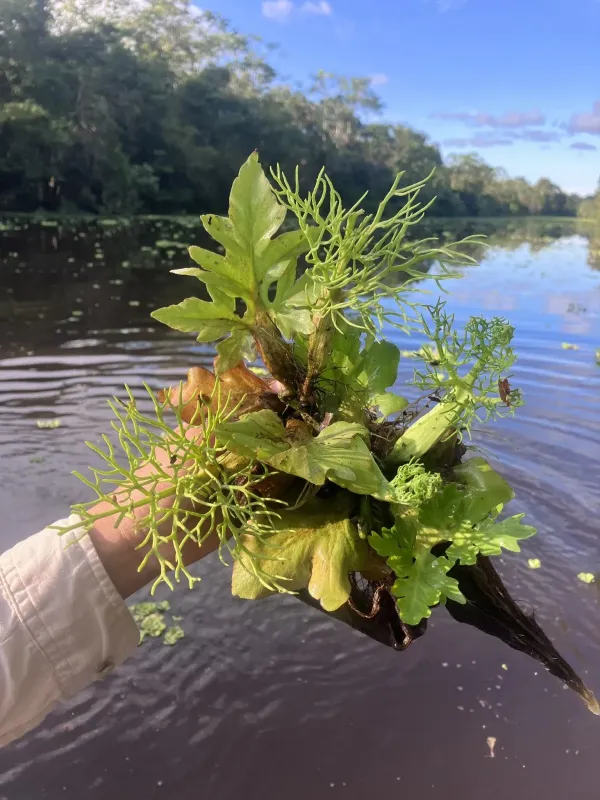
Description
Sowing dates
Ceratopteris pteridoides is a distinctive member of the Pteridaceae family, characterized by its floating habit. Propagation in agricultural systems is primarily vegetative, utilizing the adventitious plantlets that emerge along the margins of mature fronds.
Propagation is most efficient in controlled greenhouse conditions where water temperatures are maintained between 22°C and 28°C. This allows for constant growth and the continuous harvesting of young plantlets for distribution.
The plant demonstrates a high reproductive rate, making it essential for managers to regularly thin the crop. Overcrowding can lead to light competition and stunted development, which reduces the overall commercial value of the stock.
When starting a new production cycle, young plantlets are separated and placed in tanks with nutrient-rich water. No soil medium is needed as the plant absorbs minerals directly from the water column through its root system.
Maintaining a consistent supply of nutrients, particularly nitrogen and potassium, is key to ensuring that the plantlets reach marketable size within a short production cycle.
Growing requirements
As a tropical species native to various regions in Asia, Africa, and the Americas, the plant requires consistent warmth. Water temperature should remain stable, as sudden drops can trigger dormancy or leaf drop.
Light intensity is critical for the morphology of the fronds. While the plant can tolerate lower light levels, higher intensity under spectrum-optimized LED lamps produces more robust and attractive foliage for the market.
The ideal water chemistry is soft to medium-hard with a slightly acidic to neutral pH. High calcium carbonate levels can lead to tissue brittleness, making the plants more difficult to harvest and ship without damage.
Water movement should be minimal to moderate. Strong currents tend to disrupt the delicate balance of floating leaves and can wash away nutrient-rich water zones necessary for steady uptake.
Humidity requirements are high if grown in semi-aquatic or paludarium conditions. Maintaining ambient humidity prevents the edges of the emerging fronds from curling or drying out prematurely.
Yield
Yield is measured in biomass production and the quantity of healthy, transplantable plantlets. Under optimal conditions, Ceratopteris pteridoides can double its biomass in less than two weeks.
The primary agricultural use is for the ornamental aquatic plant trade. Its fast growth rate makes it a preferred species for filling space quickly in aquascapes and nursery systems.
In certain regions, the plant is harvested for culinary purposes, as the young, tender leaves are edible after proper blanching or cooking. This secondary market provides an additional revenue stream for producers.
The plant also plays a role in environmental management, as its rapid nutrient uptake makes it excellent for bioremediation in fish farming, where it helps remove excess nitrogen from waste water.
Successful management involves strategic harvesting that keeps the population young and vigorous, ensuring high-quality, pest-free product output throughout the year.
Main diseases and pests
Nutrient deficiency, particularly iron or carbon dioxide, is a common issue. Symptoms include chlorosis (yellowing of leaves), which renders the plant unsuitable for ornamental sales.
Pests like aquatic snails are the most significant threat to biomass. These mollusks feed on the tender frond tissue, causing visible damage that reduces the plant's aesthetic appeal.
Fungal rot can occur if there is poor water circulation or excessive accumulation of organic debris. Keeping production tanks clean is essential for maintaining crop health and preventing widespread infections.
In greenhouse settings, aphids may colonize the aerial parts of the fronds. Using biological pest control methods is preferred to maintain the safety of the water ecosystem.
Sudden changes in water pH or extreme thermal fluctuations can cause the plant to collapse rapidly. Maintaining stable water parameters is the best preventive strategy against these abiotic stressors.