
Niphidium crassifolium
Niphidium crassifolium
Description
Growing requirements
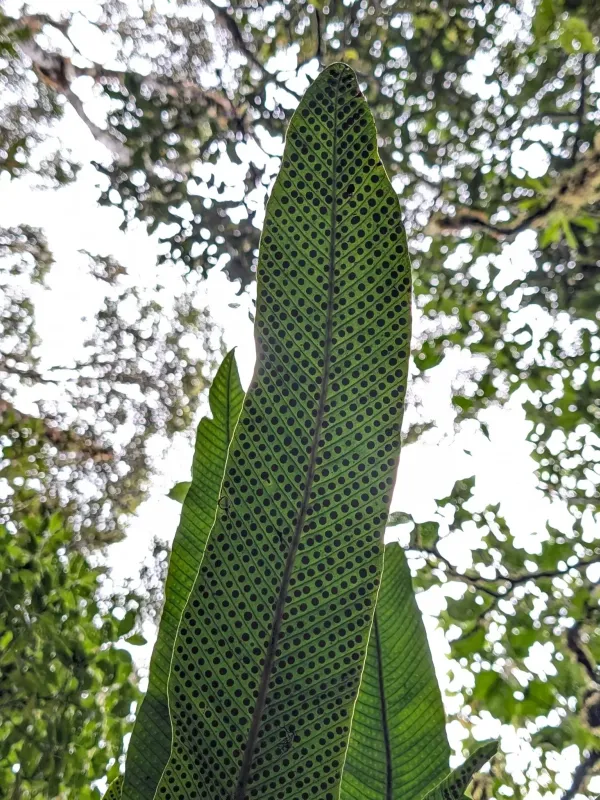
Niphidium crassifolium is a distinctive species within the Polypodiaceae family. Native to the tropical regions of Central and South America, this fern is known for its epiphytic habits, often growing on tree trunks or damp rocky substrates within dense forests.
The plant is defined by its thick, leathery, and strap-like fronds that emerge from a creeping, scaly rhizome. These physical traits allow it to withstand intermittent periods of drought and high light intensity common in its natural canopy environment.
In cultivation, it requires a well-draining, highly porous growing medium, typically composed of orchid bark, sphagnum moss, and perlite. Maintaining an ambient temperature between 18°C and 25°C is essential for year-round vegetative growth.
Consistent humidity is a critical requirement for this species. While it is more resilient than many other tropical ferns, it still performs best when environmental humidity levels are kept above 60 percent to prevent leaf tip desiccation.
Economically, Niphidium crassifolium serves as a prized specimen in horticulture. It is frequently sought after by botanical collectors and interior designers who specialize in creating lush, tropical-themed vertical gardens or terrarium setups.
Main diseases and pests
The primary pests affecting this fern include mealybugs and scale insects, which often hide along the undersides of the fronds or near the base of the rhizome.
Root rot caused by overwatering or compacted substrate is the most significant threat to the plant's health, often leading to rapid decline and necrosis of the rhizome.
Fungal leaf spot diseases can occur if the foliage remains wet for extended periods in poorly ventilated areas, necessitating improved air circulation.
Effective management requires proactive monitoring of the rhizome health and the application of mild insecticidal soaps if an infestation is identified early.
Ensuring that the plant is not subjected to rapid temperature fluctuations or cold drafts is also necessary to prevent physiological stress and secondary infections.