
Lepisorus spicatus
Lepisorus spicatus
Description
Growing requirements
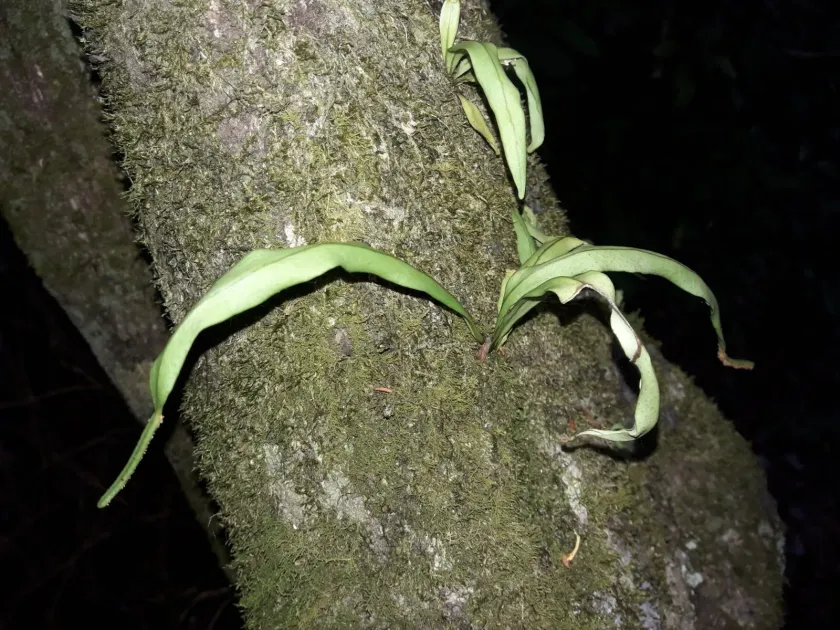
Lepisorus spicatus is a perennial epiphytic plant belonging to the Polypodiaceae family. In its natural habitat, this fern is typically found in tropical and subtropical regions of Asia, where it grows on tree trunks, branches, or rocky outcrops, utilizing them as a substrate.
The plant is characterized by its leathery, narrowly lanceolate fronds that emerge from a creeping rhizome. The specific epithet spicatus refers to the arrangement of its sori, which form spike-like structures along the veins of the fronds, serving as a distinct identification feature.
Cultivating this species successfully requires high humidity levels, mimicking its native tropical environment. A stable temperature range between 18 and 24 degrees Celsius is ideal, as the plant is sensitive to cold drafts and significant temperature fluctuations.
The growing medium must be loose and provide excellent drainage and aeration. Epiphytic-specific mixes, often containing pine bark, charcoal, perlite, and sphagnum moss, are essential to prevent root suffocation and allow the plant to thrive in container culture.
From a horticultural perspective, Lepisorus spicatus is primarily used as an ornamental plant for indoor collections and specialized terrariums. It is highly valued for its unique growth habit and textural appeal, making it a staple for enthusiasts of exotic botanical species.
Main diseases and pests
The primary threats to Lepisorus spicatus are fungal infections and root rot, which are almost exclusively caused by overwatering or poor drainage. Excess moisture in the rhizome area quickly leads to decay, which is often irreversible for epiphytic ferns.
Common pests include spider mites and scale insects, particularly in environments where humidity levels fall below the required threshold. These pests colonize the fronds and sap the plant's vitality, leading to discolored and wilted foliage.
Prevention involves maintaining consistent atmospheric moisture and ensuring adequate airflow around the plant. Regular monitoring of the foliage helps detect early signs of pest infestation or disease before they spread throughout the entire plant structure.
In case of pest outbreak, manual removal of insects combined with mild soap solutions or systemic insecticides is recommended. Ensuring the plant is not overcrowded in a collection helps maintain individual plant health and limits the spread of pathogens.
Sanitation is crucial; removing dead or decaying fronds regularly prevents the development of mold. Proper horticultural practices, such as choosing the right water quality and avoiding mineral buildup, significantly enhance the plant's resilience against biotic stressors.