
Lepisorus annuifrons
Lepisorus annuifrons
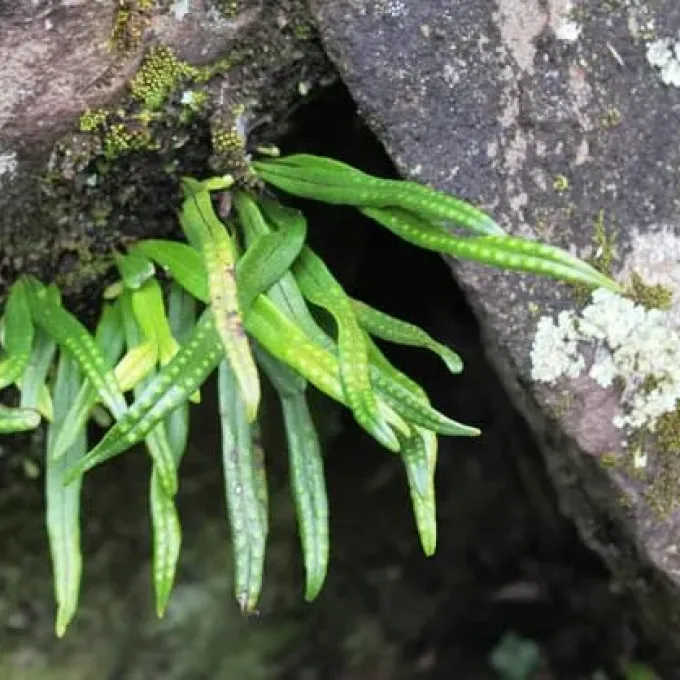
Description
Growing requirements
Lepisorus annuifrons is a perennial epiphytic fern belonging to the Polypodiaceae family. Native to East Asian forests, particularly in regions of Japan and China, this plant has adapted to thrive in humid, shaded environments on trees or rocky slopes.
The plant features simple, leathery fronds that emerge from a creeping, scaly rhizome. This specialized rhizome acts as an anchor and a storage organ, allowing the fern to survive in high-canopy habitats where moisture levels can fluctuate significantly.
In cultivation, the primary requirement is maintaining high relative humidity, ideally above 70%. It is highly recommended to grow this fern in terrariums or greenhouses to prevent the fronds from desiccating in indoor heating conditions.
Temperatures should be kept between 18 and 24 degrees Celsius. Providing bright but indirect light is crucial, as direct sunlight can easily scorch the leathery foliage, leading to permanent tissue damage and loss of ornamental value.
The substrate must be extremely airy and well-draining, typically consisting of orchid bark, sphagnum moss, and charcoal. Because it is an epiphyte, the root system requires significant oxygen; therefore, traditional heavy potting soil should be strictly avoided.
Main diseases and pests
Scale insects are a persistent threat, often hiding on the underside of fronds. Regular inspections are necessary to detect these pests early, followed by the application of horticultural soaps or systemic insecticides to prevent severe infestation.
Mealybugs can also infest the fern, particularly in areas where humidity is high and airflow is poor. They damage the plant by sucking sap from the rhizome and the base of the fronds, potentially causing yellowing and premature dropping of foliage.
Root rot is the most critical threat to the long-term health of Lepisorus annuifrons. This condition is almost exclusively caused by overwatering or using a medium that does not allow for rapid drying between watering intervals.
Spider mites represent a risk if the environment becomes too dry. These microscopic pests create fine webbing and cause the foliage to become mottled and pale, significantly reducing the plant's aesthetic quality and vitality.
Bacterial leaf spots may occur if water is allowed to pool on the leaves in stagnant air conditions. Proper ventilation is essential to ensure that leaves dry quickly after misting and to maintain a healthy, mold-free environment for the fern.