
Lepisorus thunbergianus
Lepisorus thunbergianus
Description
Growing requirements
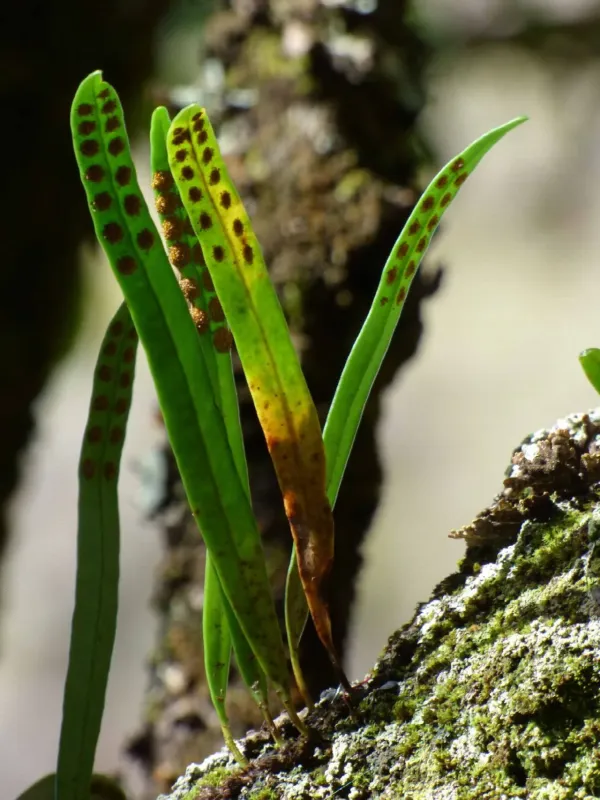
Lepisorus thunbergianus is a perennial epiphytic fern belonging to the Polypodiaceae family. It is native to East Asia, including regions in Japan, Korea, and China, where it typically colonizes rock faces and tree trunks in humid environments.
Botanically, this species is defined by its creeping rhizomes densely covered with scales and its narrow, leathery fronds. Its slow growth and compact size make it an interesting specimen for collectors of exotic epiphytic ferns.
The culture requires high humidity levels and indirect sunlight to thrive. In a greenhouse or indoor setting, it should be kept away from harsh, direct sun, which can dehydrate the fronds and cause irreparable physiological damage.
Soil requirements for this species are specific, as it thrives best in an open, aerated medium. Growers often use a mixture of pine bark, sphagnum moss, and charcoal to provide the necessary drainage while maintaining adequate moisture retention.
Temperature management is critical for the success of Lepisorus thunbergianus. It prefers cool to moderate temperatures, ideally between 18 and 24 degrees Celsius, and requires a slightly cooler period during winter months to initiate its natural rest cycle.
Main diseases and pests
The primary threat to the health of Lepisorus thunbergianus is root rot caused by stagnant water in the substrate. Ensuring that the pot or mount has superior drainage is essential to prevent the rhizomes from decaying.
Scale insects are a common pest that can infest this fern. They appear as small, bumpy structures on the undersides of leaves or along the rhizome, feeding on the plant's sap and weakening its overall structure.
Spider mites represent another significant threat, particularly in environments with low humidity. They can quickly proliferate in dry air, causing the fronds to lose their luster and eventually turn yellow or brown.
To mitigate these threats, it is necessary to maintain proper hygiene and monitor the plant frequently. If pests are detected, the use of insecticidal soaps or specific horticultural oils is recommended, provided they are safe for fern foliage.
Fungal leaf spot diseases can also occur if the foliage remains wet for extended periods in low-light, poor-ventilation conditions. Improving airflow and avoiding overhead watering are key strategies for preventing these infections.