
Microsteris gracilis
Microsteris gracilis
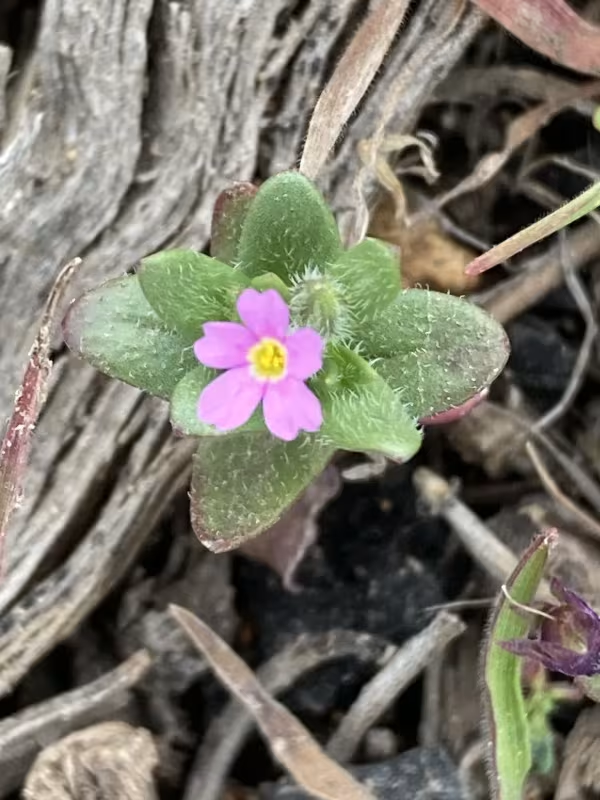
Description
Sowing dates
Microsteris gracilis is an annual herbaceous plant that typically completes its life cycle within a single growing season. In the wild, seed germination occurs naturally in early spring following winter dormancy.
For cultivation purposes, direct sowing into the ground during late autumn or early spring is recommended. The seeds benefit from cold stratification to break dormancy and ensure uniform germination.
The seeds should be sown on the surface of the soil and covered very lightly, as light exposure is required for successful germination. Press the seeds gently into the growing medium.
Maintaining temperatures between +10 and +15 degrees Celsius is ideal for early growth. Consistent moisture is crucial during the germination phase but must be tapered off thereafter.
Proper spacing is essential for this plant to avoid overcrowding. Thinning the seedlings early on will promote stronger stems and better floral display later in the season.
Growing requirements
This species belongs to the Polemoniaceae family and is native to western North America. It thrives in open environments and requires plenty of direct sunlight to bloom effectively.
The plant demands well-drained soil, preferably sandy or rocky substrates. It is highly sensitive to waterlogged conditions, which often prove fatal for the root system.
Microsteris gracilis is well-adapted to cool, temperate climates. It exhibits high tolerance for fluctuations in temperature, including occasional late-spring frosts.
Fertilizer application is generally unnecessary as the plant is adapted to nutrient-poor soils. Excessive nitrogen can lead to weak growth and lodging of the stems.
The plant is drought-tolerant once established, thanks to its deep taproot. This physiological feature allows it to survive in arid, open landscapes throughout its natural range.
Yield
While not a traditional agricultural crop, Microsteris gracilis is valued in ecological restoration and wildflower seed production. Seed yield depends on the density of the planting and pollinator activity.
Optimal floral development requires balanced weather conditions throughout the spring. High productivity in seed gathering is achieved by harvesting just as the capsules begin to dry.
Pollination is primarily managed by native insects, which are essential for maximizing the seed set. Protecting local pollinator populations is a key aspect of managing this plant.
Commercial production of these seeds involves precise timing to prevent natural dispersal before harvest. Mechanical harvest is usually performed before full senescence of the capsules.
Successful yields are characterized by uniform ripening of the seeds, allowing for easier processing and cleaner seed batches for further propagation.
Main diseases and pests
The plant is relatively hardy, but root rot remains the primary threat, especially in soils that lack proper drainage or during excessively wet growing seasons.
Aphids can cause stress to the plant by feeding on the sap of young, succulent tissues. Severe infestations may require manual removal or targeted treatments.
Powdery mildew may occur if the plant is grown in areas with poor airflow and high humidity. Maintaining adequate distance between plants is the best preventative measure.
Fungal pathogens usually thrive when the canopy is too dense. Pruning or thinning out congested plantings is necessary to maintain the overall health of the crop.
Monitoring for signs of stress, such as yellowing leaves or stunted development, is vital for early intervention against common plant-specific diseases.
Harvesting
Harvesting of Microsteris gracilis occurs in late spring or early summer, depending on the local climate and the timing of the initial spring growth.
The harvest indicator is the color change of the seed capsules from green to brown or tan, signaling that the seeds have reached maturity.
Manual harvesting is the most common method for small-scale seed production. The stalks are cut and placed in bags to catch the seeds as the capsules naturally dehisce.
Care must be taken to harvest in dry weather to avoid mold contamination during storage. Once collected, the material should be threshed to separate seeds from chaff.
Final cleaning of the seed lot involves using air screens to remove debris. Properly dried seeds should be stored in cool, dark, and dry conditions until the next planting season.