
Sphaerocaryum malaccense
Sphaerocaryum malaccense
Description
Sowing dates
Sphaerocaryum malaccense is a member of the Poaceae family. This grass species is native to tropical regions of South and Southeast Asia, including Malaysia and parts of India.
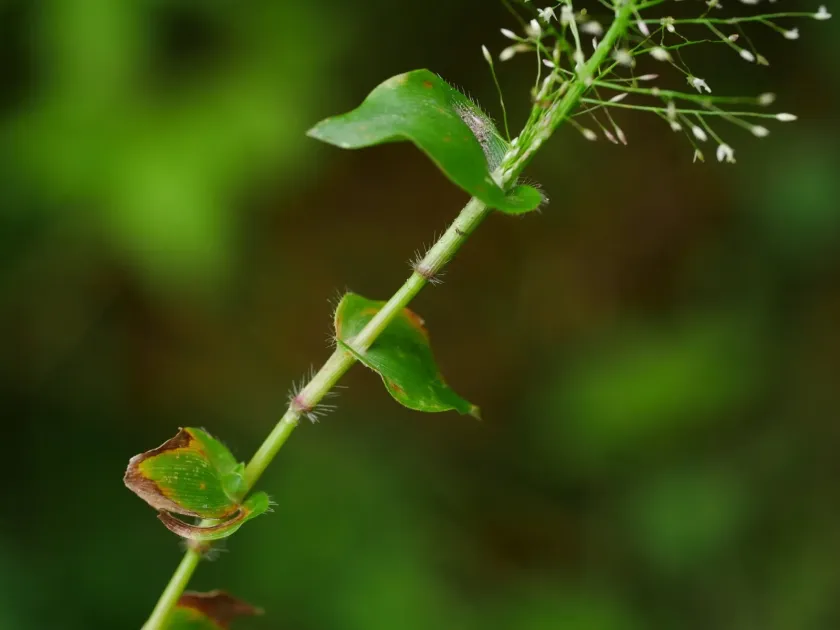
Botanically, it is recognized as an annual herbaceous plant that grows in diverse habitats. Its structure is typical for tropical grasses, characterized by slender leaves and specialized inflorescence types.
While not a primary commercial crop, its biological characteristics make it a subject of interest in ecological studies and as a potential component of tropical forage systems.
Sowing requires warm, humid conditions. In native environments, germination occurs spontaneously with the onset of the monsoon season, providing essential moisture for seedling establishment.
Optimal sowing depth and spacing are crucial for maximizing stand uniformity, ensuring that seedlings receive adequate resources for initial development and root expansion.
Growing requirements
The plant has strict temperature requirements and thrives in tropical climates where temperatures remain consistently high throughout the year, supporting vigorous growth.
It prefers well-drained soils that retain moisture without becoming waterlogged. High organic content in the soil significantly improves the biomass production of the plant.
Sunlight exposure is essential for the plant's development. Full solar radiation is preferred, as partial shade can lead to reduced vigor and structural weakness of the culms.
Soil pH should ideally be in the neutral to slightly acidic range. Deviations from these levels can limit nutrient availability and negatively impact the grass's development cycle.
Water management is the key factor in intensive cultivation, requiring regular irrigation if natural rainfall is insufficient to maintain optimal soil humidity levels.
Main diseases and pests
Fungal diseases are common threats, especially when high humidity levels coincide with poor ventilation in the field, leading to leaf spots and rusts.
Insect pests, particularly aphids and larvae of various moths, can cause damage to the leaf blade, reducing the overall photosynthetic capacity of the plant.
Root system issues can arise from stagnant water, fostering anaerobic conditions that lead to the development of root rot and overall plant decline.
Integrated pest management strategies are recommended, focusing on maintaining field hygiene and utilizing biological controls where feasible to minimize damage.
Monitoring for signs of stress or nutrient deficiency is critical, as weakened plants are significantly more susceptible to opportunistic pathogens found in the tropical environment.