
Seep Muhly
Muhlenbergia reverchonii
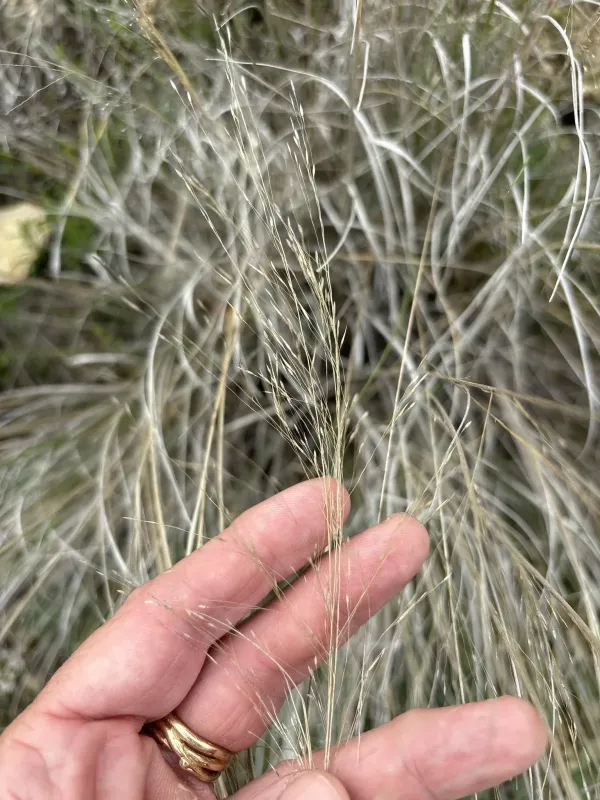
Description
Sowing dates
Propagation of Muhlenbergia reverchonii can be achieved through seeds, although this method requires patience as germination can be uneven.
Seeds should be sown in early spring in well-draining seed-starting mix, ensuring they remain close to the surface to receive adequate light.
Cold stratification of the seeds for several weeks before sowing can significantly improve germination rates and produce more uniform seedlings.
After the danger of frost has passed, seedlings can be transplanted into their permanent location, ensuring they have enough space to mature.
Alternatively, established clumps can be divided in the spring, which is the most reliable way to propagate specific cultivars or large patches.
Growing requirements
Muhlenbergia reverchonii, commonly known as Seep Muhly, is a hardy perennial grass species belonging to the Poaceae family, known for its elegant foliage.
Originating from the rocky and arid regions of Texas and Oklahoma, it is highly valued for its exceptional drought tolerance and heat resistance.
To thrive, this species requires full sun exposure; lack of light will result in leggy growth and a significant reduction in inflorescence density.
It prefers well-drained, sandy, or rocky soils and performs poorly in heavy, clay-rich environments that retain excessive moisture during winter.
This grass is a perfect candidate for xeriscaping and sustainable landscapes where water conservation is a primary goal for the gardener.
Main diseases and pests
Seep Muhly is remarkably resistant to most garden pests and diseases, making it a low-maintenance choice for many landscaping projects.
The primary threat to its health is overly damp conditions, which can lead to crown rot and fungal infections, especially in regions with high humidity.
Poor drainage is the leading cause of plant decline, often weakening the root system and making it susceptible to opportunistic pathogens.
Pests such as aphids or spider mites are rarely a significant concern, as the tough texture of the leaves provides a natural barrier.
Providing sufficient spacing between plants is the best preventative measure to ensure proper air circulation and to minimize the risk of foliar diseases.
Harvesting
The annual maintenance cycle involves a dormant season harvest, which consists of cutting back the dry, spent foliage of the plant.
This pruning must be performed in late winter or very early spring before new green growth begins to emerge from the base.
Use a sharp pair of shears to cut the grass down to a height of approximately 5 to 10 centimeters, removing all brown or weathered material.
Removing this biomass is essential to prevent rot and to allow sunlight to reach the crown of the plant, promoting vigorous growth for the coming season.
Clean up all clippings from the area to ensure the site remains tidy and to prevent the buildup of organic matter that can trap unwanted moisture.