
Sedenen oat-grass
Helictotrichon sedenense
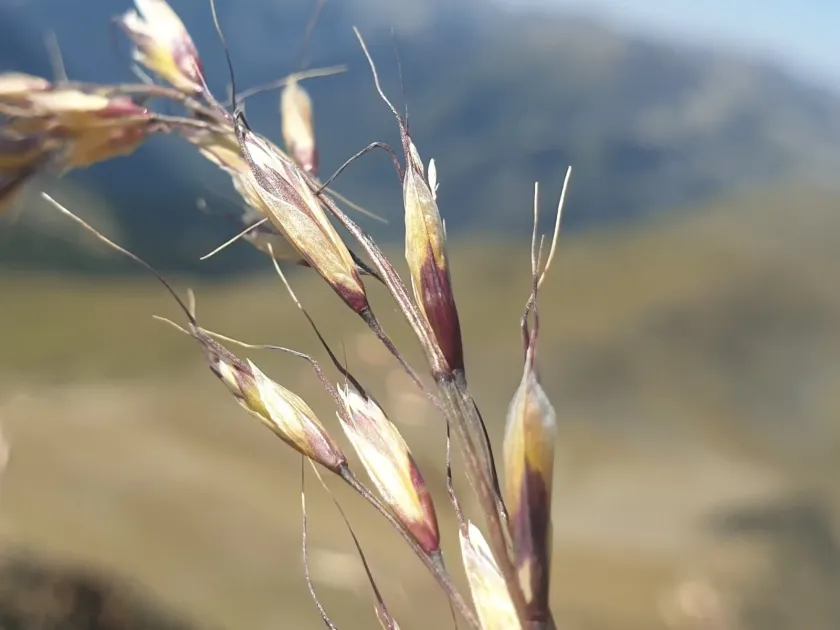
Description
Growing requirements
Sedenen oat-grass (Helictotrichon sedenense) is a perennial grass species belonging to the Poaceae family. It is recognized in agricultural science for its resilience and utility in creating robust forage landscapes, particularly in areas with challenging climatic conditions.
The origin of this species is linked to the mountain and sub-mountain regions of Europe, where it has evolved to thrive in rocky soils and variable temperature regimes. Its natural distribution demonstrates an exceptional ability to adapt to diverse environmental pressures.
Botanically, this grass forms dense tussocks, providing excellent soil protection and long-term sustainability for meadow lands. Its leaves are relatively stiff and narrow, which acts as a xeromorphic adaptation, allowing the plant to withstand extended dry spells during the growing season.
Regarding soil requirements, this species favors well-drained, porous ground. It performs best in neutral to slightly alkaline conditions. The plant is notably intolerant of waterlogging, which can cause root decay, making soil structure a critical factor in field site selection.
In terms of agricultural use, Sedenen oat-grass is primarily valued for its early spring vigor and high-quality biomass. It serves as an excellent forage crop that supports grazing livestock, providing consistent nutrient yields even when other grasses might experience significant growth inhibition.
Main diseases and pests
The cultivation of Sedenen oat-grass requires vigilant monitoring for diseases common to forage Poaceae. Rust fungi are among the most significant threats, as they can rapidly degrade leaf quality, leading to a substantial loss in the total nutritional value of the harvested biomass.
Fungal infections such as powdery mildew may occur if the meadow is managed with excessive nitrogen fertilization or improper spacing, resulting in stagnant air and high humidity. Proper field management, including periodic mowing, helps mitigate these conditions.
Insect pests, including cereal aphids and leafhoppers, pose a regular risk. These pests suck nutrients from the plant's vascular system and can facilitate the transmission of viral diseases, which potentially stunts the growth of the grass and reduces the overall stand density.
Integrated pest management strategies are highly recommended for maintainig health in these stands. Encouraging biodiversity within the field, such as including legumes in the mix, can disrupt the lifecycle of specific pests and improve the overall resilience of the crop.
Harvesting timing is also a crucial preventative tool. By mowing the field before pests reach their peak reproductive stages, farmers can significantly reduce the pressure on the current season's regrowth and ensure the plant remains healthy for the following year.