
Semiarundinaria fastuosa
Semiarundinaria fastuosa
Description
Growing requirements
Semiarundinaria fastuosa, commonly known as Narihira bamboo, is a robust woody grass belonging to the Poaceae family. Originating from Japan, it has been cultivated for centuries as both a decorative plant and a valuable agricultural resource.
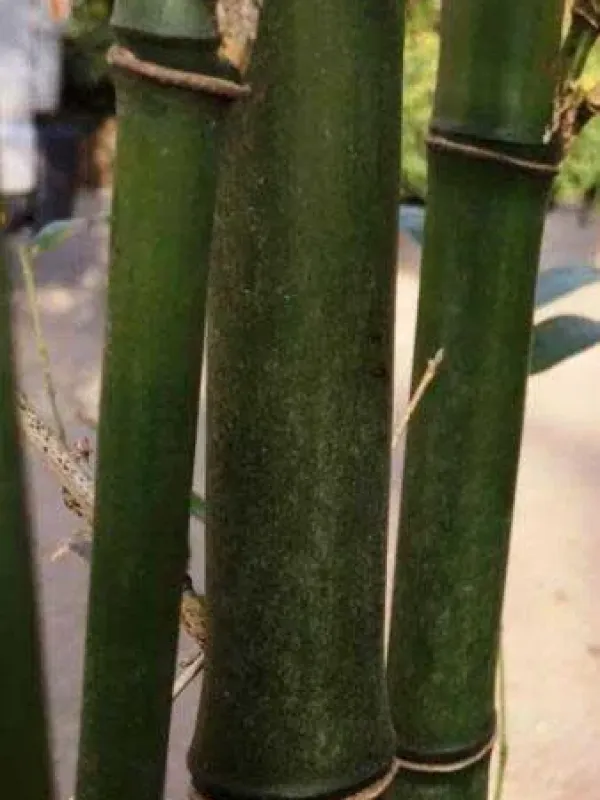
This species is characterized by its upright, straight culms that can reach heights of 3 to 7 meters in maturity. The culms typically measure 3 to 4 centimeters in diameter, making the material highly versatile for structural and artisanal purposes.
The plant thrives in moderately moist, fertile loamy soils with excellent drainage. It possesses moderate cold hardiness, capable of surviving temperatures as low as -15°C to -18°C, which allows for cultivation in temperate climate zones.
A primary requirement for healthy growth is protection from harsh, desiccating winds, as the broad foliage loses moisture rapidly, often exceeding the root system's uptake capacity during cold periods.
Cultivation practices involve consistent irrigation during dry spells and the application of organic mulch around the base to retain soil moisture and provide thermal insulation for the rhizomes.
Main diseases and pests
Semiarundinaria fastuosa demonstrates a high level of natural disease resistance, although waterlogged soil conditions may predispose the root system to various rot-inducing pathogens.
In hot and arid environments, plantations may be susceptible to spider mite infestations, which feed on leaf sap and cause premature yellowing, browning, and foliage deformation.
Other common pests include aphids and scale insects, which target tender new shoots and can act as vectors for viral pathogens that significantly reduce the plant's growth vigor.
Effective management strategies include maintaining an appropriate irrigation schedule, controlling weed competition, and applying targeted insecticides only when threshold pest levels are exceeded.
Should fungal infections occur, the standard approach involves the prompt removal and disposal of infected plant parts, followed by the application of broad-spectrum fungicides.
Harvesting
The primary agricultural utility of this bamboo lies in the harvesting of its culms, which are used for furniture making, garden stakes, fencing components, and various decorative handicrafts.
Harvesting is typically performed during the autumn and winter months when sap flow is at its lowest, ensuring maximum durability and structural integrity of the harvested woody tissue.
To maintain high productivity of the stand, it is essential to perform annual thinning, which involves removing old, decayed, or congested culms to facilitate the development of vigorous new growth.
In plantation settings, the plant forms dense, spreading thickets; therefore, root control methods, such as installing subterranean barriers, are necessary to prevent uncontrolled vegetative expansion.
When used as a privacy screen or hedge, the plant retains its dense, evergreen foliage throughout the year, providing both structural beauty and functional utility.