
Semiarundinaria kagamiana
Semiarundinaria kagamiana
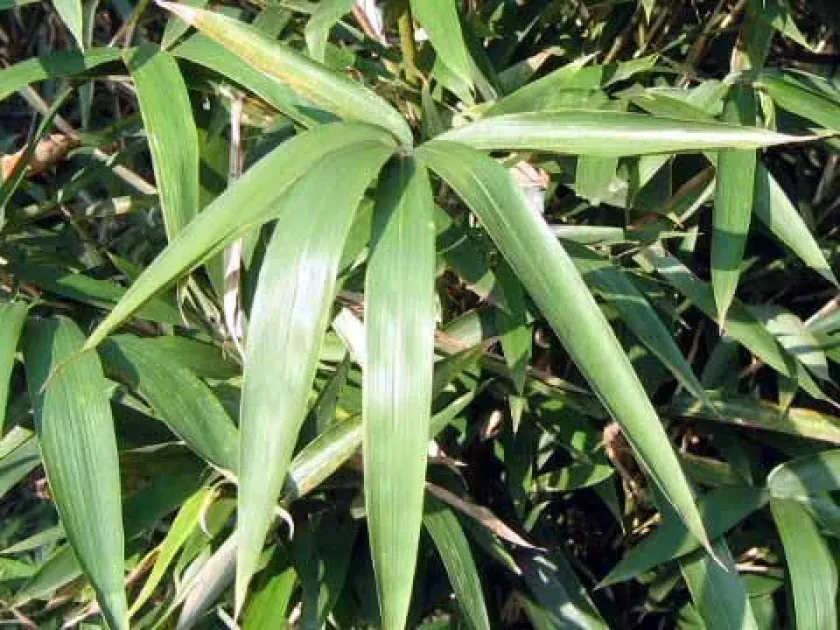
Description
Growing requirements
Semiarundinaria kagamiana is a distinctive bamboo species belonging to the Poaceae family. This evergreen plant is highly regarded for its upright growth habit and dense foliage, making it a staple in ornamental garden design.
Originating from Japan, this species thrives in humid and mild environments. It is characterized by its ability to form thick, screen-like groves, which are often used for privacy hedging in landscaping.
The plant requires fertile, well-draining soil to achieve its full growth potential. While it favors moisture, it is crucial to ensure that the soil does not become waterlogged, as this can severely impede root health.
Optimal site selection includes full sun to partial shade locations protected from strong, desiccating winds. Proper shelter helps the plant maintain its vibrant green color throughout the growing season.
In terms of climate, Semiarundinaria kagamiana exhibits moderate hardiness. During colder seasons, providing a thick layer of organic mulch around the base of the plant is recommended to protect the rhizomes from freezing temperatures.
Main diseases and pests
Spider mites are a common threat, especially in hot and dry weather conditions. Increasing atmospheric humidity through misting or localized irrigation can help prevent these infestations.
Root rot caused by fungal pathogens is a significant danger if the planting site lacks proper drainage. Ensuring the substrate remains porous is the best preventative strategy for healthy bamboo growth.
Mealybugs may settle on the leaves and stems, requiring prompt intervention with insecticidal soaps or biological controls to protect the aesthetic quality of the plant.
Occasionally, bamboo aphids can infest the culms. Regular monitoring of the plant interior is necessary to detect these pests before they reach damaging levels.
Proper spacing and the installation of root barriers are essential management techniques that reduce stress on individual plants and prevent the spread of soil-borne pathogens across the colony.