
Sehima nervosum
Sehima nervosum
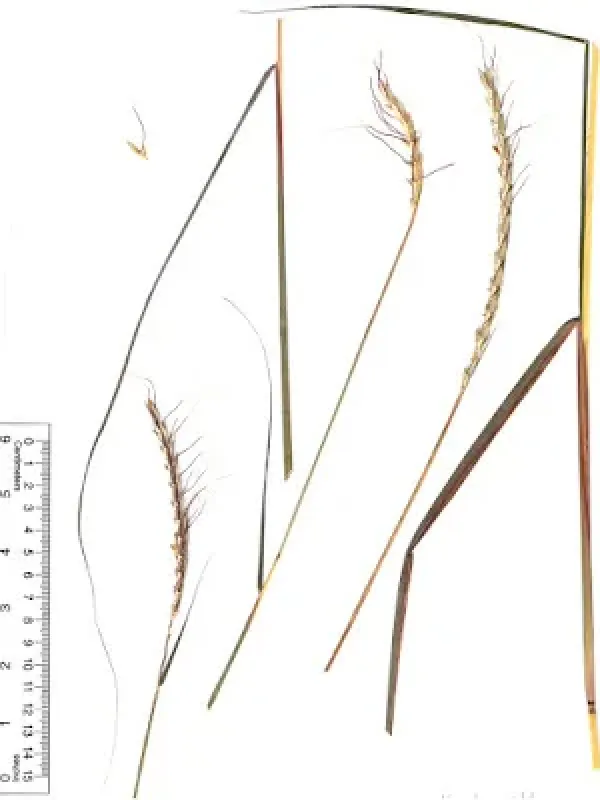
Description
Sowing dates
Sehima nervosum is a perennial grass species that belongs to the Poaceae family. It is widely recognized for its ability to thrive in harsh environments, making it a valuable candidate for re-vegetating arid and semi-arid landscapes.
The optimal time for sowing is at the onset of the rainy season. This timing ensures that the seeds have adequate soil moisture for germination and early establishment, which is critical for their survival in the initial weeks.
Seeds should be sown at a shallow depth, typically 1 to 2 centimeters, to ensure successful emergence. The soil should be slightly compacted after sowing to improve contact between the seed and the soil surface, preventing desiccation.
Planting in rows with spacing between 30 and 45 centimeters is recommended for establishing improved pastures. This configuration allows for proper root development and reduces inter-plant competition for moisture and nutrients.
As a resilient species, Sehima nervosum can establish from seed in soils where other grasses struggle. Proper site preparation, including weed removal before sowing, significantly increases the chances of a successful stand.
Growing requirements
This grass is highly adapted to tropical climates and is known for its exceptional drought tolerance. It is capable of remaining productive in areas where rainfall is seasonal and limited, surviving extended dry periods.
Sehima nervosum performs well on a variety of soil types, including sandy, stony, and degraded soils. It is particularly valued for its ability to grow on poor, shallow soils that are unsuitable for intensive agricultural use.
The plant requires full sun exposure to reach its potential. Shading from trees or dense vegetation leads to poor growth and reduced dry matter production, which should be avoided when selecting sites for pasture development.
The species is tolerant of a range of soil pH levels, generally from 5.5 to 7.5. Furthermore, it shows some tolerance to saline conditions, which makes it a useful option for the rehabilitation of marginal lands.
Good soil drainage is essential for Sehima nervosum. While it thrives in drought, waterlogging can lead to root rot and other physiological stressors, severely affecting the plant's health and density.
Yield
The yield of Sehima nervosum is largely dependent on the availability of moisture and the intensity of grazing. It produces high-quality biomass during the active growing season, supporting livestock nutritional needs.
Protein content is highest during the early vegetative stage. It is essential for managers to maintain the pasture in this state through controlled grazing or strategic mowing to prevent the stems from becoming lignified.
During the flowering stage, the nutritional quality declines significantly as the plant allocates energy to seed production. This transition phase should be monitored closely to ensure livestock continue to receive adequate nutrients.
Strategic application of nitrogenous fertilizers can significantly boost the dry matter yield. However, the plant is still quite productive in natural, unfertilized conditions compared to more demanding forage species.
With proper pasture rotation, the grass can recover quickly from grazing, providing a steady supply of fodder throughout the growing season. Its high regenerative ability makes it a low-maintenance, reliable source of feed.
Main diseases and pests
Sehima nervosum is generally robust and less prone to major diseases compared to many other forage grasses. Its natural resilience is attributed to its physiological structure and its ability to thrive in its native habitats.
Fungal leaf spots and rust may occur in excessively humid conditions or where there is poor air circulation. These infections are typically minor and do not usually require chemical control if pasture management is sound.
Soil-borne insect larvae can pose a threat to young seedlings by attacking the root system. Identifying such issues early is crucial, as severe root damage can result in the loss of entire stands in drought-prone areas.
Locusts and other foliage-eating insects are significant threats in certain regions. Outbreaks can devastate pasture biomass, necessitating monitoring and, in extreme cases, integrated pest management strategies.
Maintaining a healthy, vibrant pasture is the best defense against threats. Overgrazing weakens the plants, making them more susceptible to pests and diseases, while controlled use encourages robust growth and resistance.
Harvesting
For hay production, the grass should be harvested before the full flowering phase. Harvesting at this time ensures the best balance between biomass quantity and the nutritional value of the hay.
It is recommended to leave a stubble height of 10 to 15 centimeters. This practice protects the plant's growing points and ensures that the grass can regenerate effectively for the next grazing or hay cycle.
Rapid drying is key to producing high-quality hay. The cut grass should be turned frequently to ensure uniform moisture loss, preserving the forage's color and nutritional integrity throughout the storage process.
Storage should take place in cool, dry conditions to prevent mold formation. Proper storage ensures that the nutritional properties are preserved, allowing for supplementary feeding during the dry season.
Seed harvesting should be performed when the seeds reach a state of maturity. Since maturation can be uneven, multiple collection passes may be needed to maximize the yield of high-quality seeds for future sowing.