
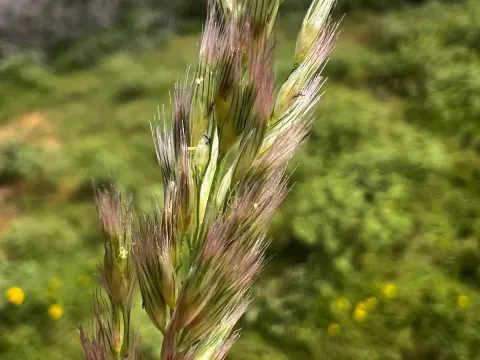
Pappophorum
Pappophorum Schreb.
The sowing of Pappophorum should ideally occur when soil temperatures have reached a stable, warm level, ensuring that the seeds have the thermal energy required for germination.
What the section contains


Pappophorum
Preparation of the seedbed is essential, focusing on the removal of competing weeds. The soil should be finely tilled to ensure maximum contact between the soil particles and the small seeds.
Given the relatively small size of the seeds, the sowing depth should be shallow, generally not exceeding a few centimeters, to allow for optimal seedling emergence and light access.
Using precision planting technology can significantly improve uniformity, which is crucial for establishing a healthy and consistent stand, especially in environments where water is limited.
In many arid regions, sowing is timed just before the onset of the seasonal rainy period to leverage the natural moisture for the critical germination and early establishment phases.
Pappophorum is a genus of grasses in the Poaceae family, highly specialized for survival in semi-arid and arid landscapes. It thrives in well-drained, sandy to loamy soil structures.
The species demonstrates exceptional heat tolerance, maintaining its physiological functions under extreme temperatures that would typically induce dormancy or death in other forage grasses.
High levels of solar radiation are necessary for the plant’s optimal growth. Shade from other plants or trees should be avoided to prevent biomass reduction and poor development.
It is well-adapted to nutrient-poor soils, making it an excellent candidate for land reclamation and soil stabilization projects in desertified areas where other crops fail to establish.
Excessive soil moisture or poor drainage is detrimental to Pappophorum. The plant requires oxygen in the root zone and will quickly decline in waterlogged conditions.
While not a high-biomass producer compared to irrigated crops, Pappophorum offers consistent yields in harsh environments where conventional agriculture is not viable, providing a reliable forage source.
When managed under moderate irrigation, biomass production can be significantly increased, showing the plant's potential as a productive forage species in regions that are otherwise difficult to farm.
The nutritive quality is best preserved by harvesting during the vegetative stage, before the inflorescence becomes too mature and the stems become overly fibrous and stiff.
Grazing management is vital for maintaining productivity. Rotational grazing schedules allow the grass to recover, ensuring sustained biomass output over several growing seasons.
Seed yield can be challenging due to the asynchronous maturation of the seeds in the spikelets. Specialized harvesting practices are often needed to ensure maximum collection efficiency.
Pappophorum possesses strong natural resistance to many pests and diseases that affect conventional agricultural crops, minimizing the need for chemical intervention in most settings.
During prolonged drought periods, some insect species may become a localized issue if plants are weakened. However, the plant's robust nature usually allows it to survive these minor infestations.
The most significant threat is weed competition during the early stages of establishment. Without proper weed control in the first few months, seedlings may be outcompeted and fail to survive.
Root rot is rarely observed unless the plant is subjected to poor soil management, specifically regarding over-irrigation or planting in heavy, compacted soils that do not drain effectively.
Small mammals and wild rodents may occasionally pose a threat by feeding on young plants or seeds. Protective measures, such as fencing, are recommended during the initial establishment phase.
For forage purposes, harvesting should be performed before the plants fully seed, as the characteristic awns associated with the genus can become rigid and potentially irritating to livestock.
Grazing should be managed to avoid over-utilization, ensuring that the base of the plant remains intact to facilitate regrowth from the crown after rain events or resting periods.
Seed harvesting should be timed carefully when the spikelets are dry and the characteristic feathery appendages show signs of maturity, often requiring specialized combine settings.
After mowing for hay, the high-temperature environment usually facilitates rapid drying, which helps maintain the quality of the fodder and reduces the risk of spoilage during storage.
Stubble grazing can be a supplementary use of the land after harvest, provided that the awns are not in a stage that would cause injury to the mouths or digestive tracts of the animals.