
White Festuca
Parafestuca albida
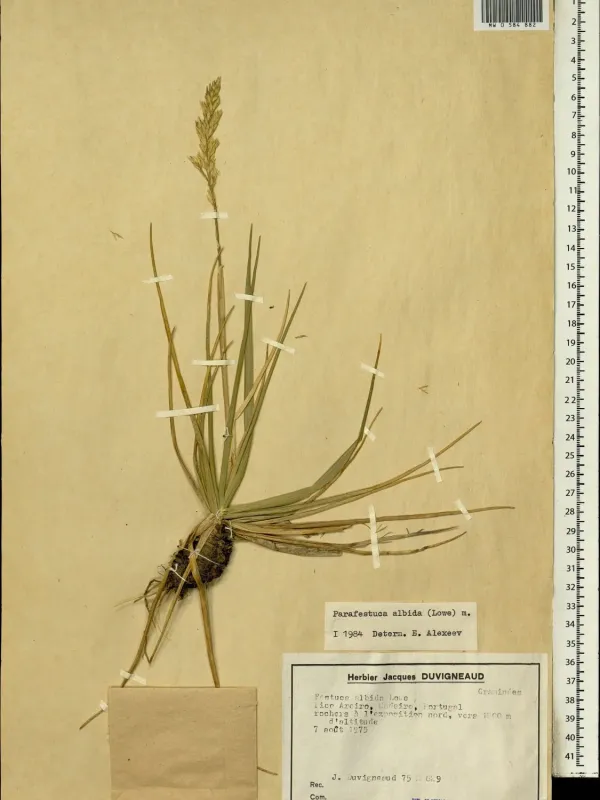
Description
Growing requirements
Parafestuca albida, commonly known as White Festuca, is a perennial ornamental grass belonging to the Poaceae family. It is highly valued in horticulture for its dense, silvery-white foliage that adds texture and elegance to any landscape design.
The plant originates from the mountainous regions of Spain, which dictates its preference for well-drained, gritty soils and rocky substrates. Being a native of high-altitude zones, it is naturally adapted to cool, airy environments and dry spells.
When selecting a planting site, prioritize locations with full sun exposure. Adequate light is crucial for the plant to maintain its distinctive pale color; in shady areas, the leaves tend to turn greener, and the overall habit becomes lax and weak.
Soil drainage is the most critical factor for successful growth. Parafestuca albida will not survive in heavy, waterlogged soils. It is highly recommended to amend the planting area with sharp sand or horticultural grit to ensure that water does not sit around the crown.
Maintenance is relatively low, making it a favorite for xeriscaping and low-maintenance rock gardens. It does not require frequent fertilization, as it is evolved to thrive in nutrient-poor conditions typical of its alpine habitat.
Main diseases and pests
The most significant threat to the health of Parafestuca albida is crown rot, triggered by excess moisture. This typically occurs in winter if the soil drainage is inadequate, leading to the rapid decay of the plant's base and root system.
Fungal diseases, including rust and leaf spot, can occur if there is poor air circulation around the clumps. This is particularly common in humid climates where the foliage remains wet for prolonged periods after rainfall.
Insects like aphids and spider mites may infest the grass, especially during dry summer months. These pests suck the sap from the leaves, causing them to yellow and lose their aesthetic appeal if left untreated.
To keep the plants healthy, it is essential to groom them in early spring by carefully removing dead foliage from the previous year. This practice enhances air circulation through the center of the plant and prevents the accumulation of trapped moisture.
If an infestation or disease is detected, prompt action with appropriate systemic fungicides or insecticidal soaps is recommended. Always ensure the plants are adequately spaced to minimize the spread of issues between individual specimens.