
Neyraudia reynaudiana
Neyraudia reynaudiana
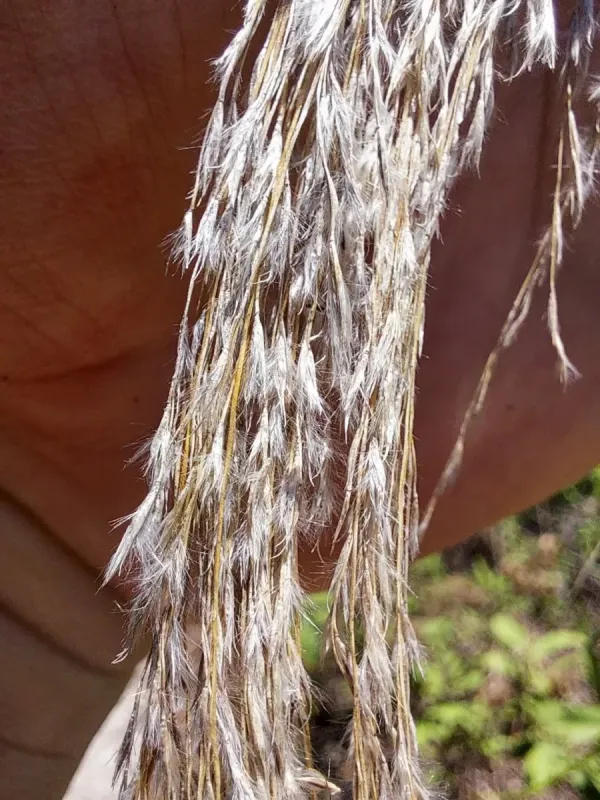
Description
Sowing dates
Sowing of Neyraudia reynaudiana is typically conducted in the spring season when soil temperatures are stable for germination.
Vegetative propagation is widely practiced by dividing mature rhizomes, which ensures rapid colonization of the planting site.
Seeds require proper stratification to break dormancy and achieve a high percentage of successful sprouting in field conditions.
Optimal spacing between rows should be maintained to prevent overcrowding and to allow for mechanized maintenance during growth.
Shallow planting is critical for seeds, as they are small and possess limited energy reserves to push through thick soil layers.
Growing requirements
Belonging to the Poaceae family, Neyraudia reynaudiana is a hardy perennial grass known for its rapid growth and structural resilience.
The plant thrives in full sunlight and is remarkably adapted to tropical and subtropical climates with varying rainfall patterns.
It prefers well-drained, sandy, or rocky soils, demonstrating an exceptional ability to colonize degraded or nutrient-poor lands.
This grass is highly tolerant of acidic soil conditions and exhibits a moderate resistance to salinity in coastal environments.
Given its origin, it requires protection from severe frost, as prolonged freezing temperatures can damage the rhizome system.
Yield
The high biomass production of this grass species makes it an excellent candidate for fiber production and industrial paper pulp.
Harvest yields are significantly enhanced by supplemental nitrogen applications during the peak months of the growing season.
Sustainable yield cycles can be established by implementing a rotational cutting schedule that allows for regrowth throughout the year.
Productivity remains stable even on marginal lands where other conventional agricultural crops would fail to thrive.
Integrated management practices help in maximizing the volume of harvestable material for various commercial applications.
Main diseases and pests
Neyraudia reynaudiana exhibits strong natural resistance to most common pests that affect larger cereal grain crops.
Fungal pathogens may occur only in environments with excessive humidity and lack of proper air circulation around the root zone.
Early-stage weed competition is the primary risk factor, requiring mechanical weeding or mulching to support seedling development.
No major systemic diseases have been identified that would threaten the viability of large-scale plantations of this species.
Integrated pest management remains effective for keeping any occasional herbivore presence below the economic threshold.
Harvesting
Harvesting is usually timed to coincide with the period of peak fiber development to ensure the highest quality of end-products.
Mechanical harvesting equipment needs to be adjusted to accommodate the tall, dense growth habit of this grass species.
Post-harvest processing involves rapid drying to maintain the integrity of the cellulose fibers and prevent microbial growth.
When grown for ecological purposes, such as slope stabilization, harvesting may be minimal or skipped entirely to protect the soil.
Storage of the harvested biomass requires dry, well-ventilated conditions to preserve the structural quality of the plant material.