
Nile dropseed
Sporobolus niliacus
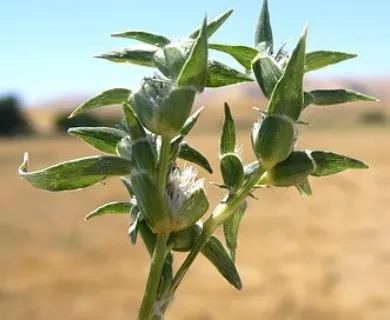
Description
Growing requirements
Nile dropseed (Sporobolus niliacus) is a perennial grass species belonging to the Poaceae family, specifically adapted to arid and semi-arid environmental conditions.
This species is native to riverine floodplains and alluvial plains, demonstrating remarkable resilience to water stress and moderate salinity levels in the soil.
Morphologically, the plant features a robust root system that helps in anchoring it in loose substrates and stabilizing soil against erosion in drought-prone areas.
The crop thrives under intense solar radiation and requires significant warmth for optimal metabolic activity and biomass accumulation during its growth cycle.
It prefers well-drained soils and is generally capable of surviving in nutrient-poor environments, making it a sustainable choice for marginal land restoration.
Yield
The primary economic use of Nile dropseed is as forage for livestock, providing a reliable source of green matter in harsh climates where traditional crops fail.
Despite being classified as a roughage source, its nutritional profile remains stable during dry spells, which is essential for consistent livestock nutrition.
The biomass yield is maximized through controlled grazing strategies that prevent over-exploitation and allow the plant to regenerate its photosynthetic surface.
Beyond its value as animal feed, the plant is used in agroforestry and land management projects to prevent desertification and stabilize dunes.
While yields are generally lower than those of intensive fodder crops, the low input requirements make Nile dropseed an efficient option for large-scale land use.
Main diseases and pests
Nile dropseed is naturally robust against many common agricultural pests and diseases due to its evolutionary adaptation to harsh ecosystems.
Seedlings may be susceptible to root-feeding soil insects, necessitating careful field monitoring during the establishment phase of the crop.
Fungal diseases like rusts can occur in conditions of excessive humidity, highlighting the importance of maintaining adequate plant spacing and ventilation.
The most significant threat to crop establishment is the competition from fast-growing weeds that can overshadow seedlings during the early growth stages.
Implementing integrated pest management practices and proper site selection helps to minimize risks and ensures the long-term viability of the stands.