
Nimblewill
Muhlenbergia frondosa
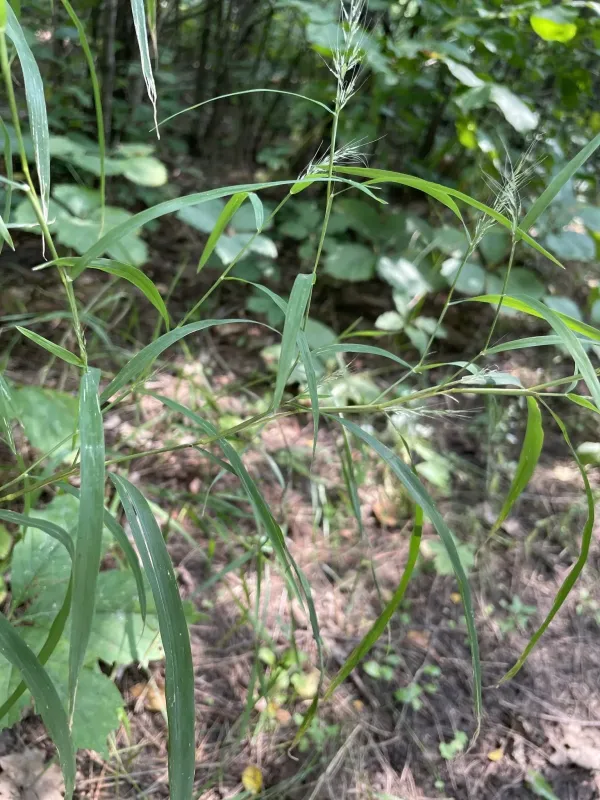
Description
Sowing dates
Nimblewill (Muhlenbergia frondosa) is a perennial grass species belonging to the Poaceae family. Known for its creeping growth habit and stoloniferous root system, it is frequently utilized in pasture improvement programs and for soil stabilization purposes.
Sowing should take place in early spring once the threat of frost has passed and soil temperatures have stabilized. It is recommended to use high-quality seeds that have been stratified to break dormancy, as this significantly improves germination rates in field conditions.
The seeds are small and should be planted at a shallow depth of approximately 1 to 2 centimeters. Proper seed-to-soil contact is essential for success, so using a cultipacker or light rolling after seeding is highly recommended to prevent desiccation.
Field preparation must be thorough, ensuring that the seedbed is free from aggressive annual weeds that might outcompete the slow-growing Nimblewill seedlings. Once established, the grass spreads rapidly via its robust root system.
Crop density should be managed based on the intended end-use, whether it is for dense pasture coverage or for erosion control on slopes where more spacing might allow for quicker initial lateral expansion.
Growing requirements
This grass is native to North America and thrives in moist, temperate environments. It is most commonly found in floodplains, low-lying meadows, and areas where soil moisture is consistently available throughout the growing season.
The ideal soil type is a fertile, well-draining loam or alluvial soil. While the plant is moisture-loving, it is sensitive to waterlogged conditions that persist for extended periods, which can lead to root suffocation.
Nimblewill requires a moderate climate to perform at its peak. It is fairly winter-hardy, with its rhizomes remaining dormant underground during the cold season, allowing it to regenerate effectively in the following spring.
It prefers full sun to partial shade. In environments with heavy canopy cover, the biomass production decreases, though the plant remains one of the more shade-tolerant grass species within the Muhlenbergia genus.
Nitrogen fertilization is beneficial for maximizing forage yield. However, excessive application should be avoided, as it can cause the plant to become overly succulent and prone to lodging or disease pressure under high humidity.
Yield
Nimblewill is primarily used as a forage crop for grazing livestock. It provides high-quality nutrition if managed correctly, particularly before the plant enters the reproductive phase and begins to produce seed heads.
Yields are optimized through rotational grazing or timely mowing. By preventing the plant from reaching full maturity, the livestock operator ensures that the forage maintains higher protein levels and lower fiber content.
Beyond its value as feed, Nimblewill is excellent for preventing erosion. Its dense, creeping root structure creates a natural mat that binds soil particles together, making it a preferred choice for rehabilitating disturbed sites.
In polyculture pasture systems, it works well when interseeded with legumes, which can provide necessary nitrogen fixation and improve the overall nutritional balance of the grazing forage available to cattle or sheep.
The overall biomass productivity is consistent, provided that the water balance is maintained. During dry spells, the grass may enter a state of semi-dormancy, but it usually recovers quickly once adequate moisture is restored.
Main diseases and pests
Like many grasses in the Poaceae family, Nimblewill is susceptible to fungal pathogens, particularly rust and various leaf spot diseases. These are often triggered by high humidity levels and poor airflow within the canopy.
Insect pests such as aphids and specific types of grass beetles can cause damage by feeding on the leaves or stems. Monitoring for population spikes is critical to preventing damage that could impact the seasonal yield.
Root rots remain a concern if the soil is poorly drained or compacted. Improving soil structure through cover cropping or physical aeration can help mitigate these risks and ensure the plant remains vigorous.
Weed control is vital in the first year of establishment. Once the sod is closed, the plant itself acts as a strong competitor, suppressing many invading weed species through its aggressive vegetative expansion.
- Fungal disease management through canopy thinning.
- Integrated pest management (IPM) for aphids.
- Soil drainage optimization.
Harvesting
Harvesting Nimblewill for hay should be timed for the vegetative stage, just as the plants begin to reach maximum height but before anthesis. This ensures the best nutritional quality for stored forage.
Cutting height should be set to 5–7 centimeters. Cutting too short can expose the rhizomes and delay the plant's ability to regenerate, effectively reducing the potential for a second harvest later in the season.
Drying the hay requires efficient tedding, especially in humid regions, to prevent the grass from retaining excessive moisture which could lead to mold development in storage bales.
For seed harvesting, the crop should be allowed to reach full maturity until the inflorescences turn a golden-brown. Harvesting should be performed on a dry day to prevent shattering and unnecessary seed loss during the threshing process.
Storage of the finished product requires a cool, dry place. Bales should be stacked in a way that allows for airflow to maintain quality and prevent internal heating within the stacks over long periods.