
Micropyrum patens
Micropyrum patens
Description
Growing requirements
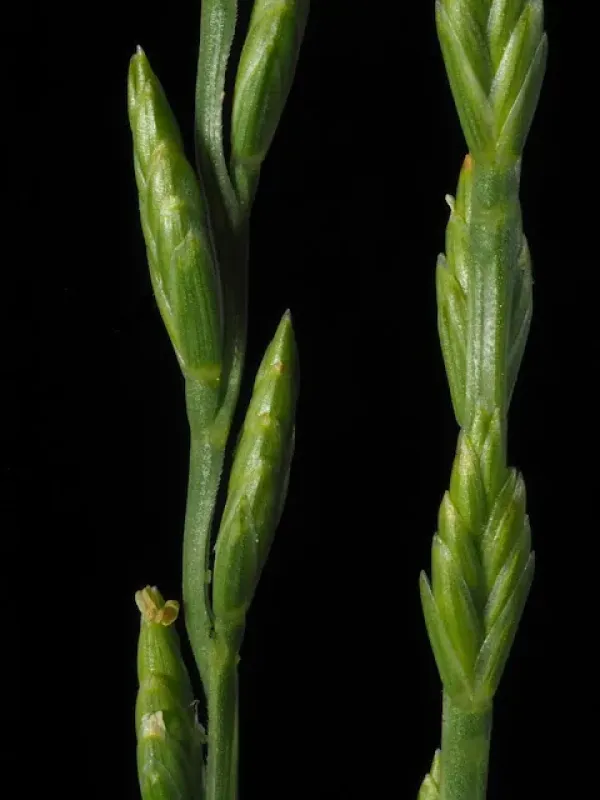
Micropyrum patens is an annual grass species belonging to the Poaceae family. The plant is characterized by its slender growth habit and fine, spreading panicles which are typical of its taxonomic group, making it an interesting subject for botanical study and forage research.
Native to temperate regions, Micropyrum patens thrives in well-drained, dry, and often rocky soil conditions. It is frequently found in open habitats, steppe-like meadows, and hillsides where sunlight exposure is significant and moisture levels remain relatively low.
The crop requires soils with moderate fertility but is notably intolerant of waterlogging. Proper soil aeration is critical for its root system development. It prefers areas with consistent solar radiation, which facilitates its reproductive cycle and biomass accumulation.
In terms of agricultural practices, cultivation should focus on seedbed preparation that minimizes competition from aggressive weed species. As the plant has a relatively slow establishment phase, keeping the area clear during the first few weeks is vital for successful stand density.
The primary economic use of this species involves its inclusion in extensive grazing systems and as a component in vegetation stabilization programs for poor or eroding soils where more intensive crops might struggle to survive.
Main diseases and pests
Fungal diseases, particularly rusts and powdery mildew, represent the most common threat to Micropyrum patens. These conditions typically manifest in environments with poor air circulation or extended periods of high relative humidity within the canopy.
Pest pressure often stems from cereal aphids and various types of leaf beetles that can cause significant foliage damage. Monitoring these insects during the spring growth flush is essential to prevent significant yield losses in forage production.
Preventative measures include the use of clean, certified seeds and ensuring adequate plant spacing to facilitate airflow. These practices significantly mitigate the risk of pathogen buildup and support the overall health of the field.
Chemical control should be implemented judiciously, focusing on the specific growth stages when the crop is most vulnerable. Biological control agents or integrated pest management strategies are preferred to maintain the ecological balance of the field.
Ultimately, enhancing the plant's natural resilience through balanced fertilization, particularly with potassium, can significantly reduce its susceptibility to both environmental stressors and biological attacks, ensuring a more stable and productive harvest.