
Melica racemosa
Melica racemosa
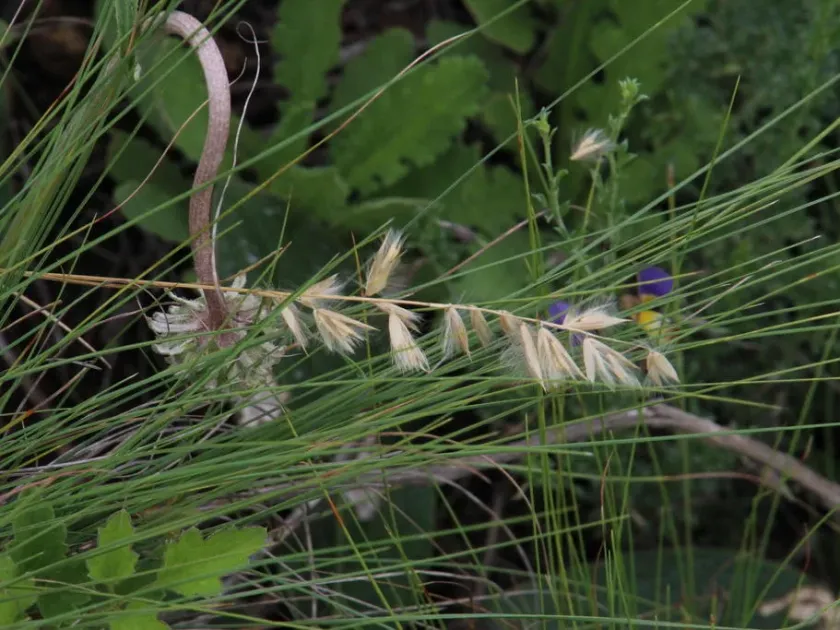
Description
Growing requirements
Melica racemosa is a perennial herbaceous plant belonging to the Poaceae family, widely recognized for its adaptability and resilience in various temperate environments.
The crop thrives best in fertile, well-drained loamy soils, showing a preference for locations with adequate moisture levels during the early spring vegetative growth phase.
Its botanical structure features distinctive raceme-like inflorescences and a fibrous root system that provides excellent soil stabilization and moisture retention capabilities.
Environmental requirements include a balanced photoperiod and moderate temperature regimes, which ensure consistent biomass accumulation throughout the growing cycle.
In terms of agricultural utility, this species is utilized as a constituent of permanent pastures, providing high-quality forage with substantial nutritive content for grazing livestock.
Main diseases and pests
Crop health can be compromised by typical fungal infections, including rust and powdery mildew, particularly in dense stands with poor air circulation.
Common insect threats involve cereal aphids and stem-boring larvae that target the developing shoots and reproductive organs, potentially reducing total forage yield.
Effective management strategies include implementing appropriate crop rotation cycles and ensuring that harvests are conducted at the optimal physiological stage.
Monitoring for signs of pest infestation during the tillering stage is crucial to prevent widespread damage across the managed meadow area.
Maintaining balanced soil fertility levels helps the plants build natural resistance to common pathogens and environmental stressors encountered in the field.