
Gaudinia
Gaudinia
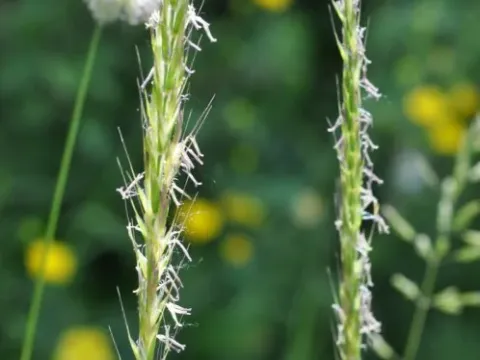
Gaudinia, particularly the species Gaudinia fragilis, is an annual grass belonging to the Poaceae family, widely recognized for its adaptation to Mediterranean climates.
What the section contains


Gaudinia
The optimal sowing time is typically in the autumn, allowing the seedlings to establish a robust root system before the onset of the winter dormancy period.
Seeds should be sown at a shallow depth, usually not exceeding 2 cm, to ensure successful germination, as the seeds are relatively small and energy-limited.
Consistent soil moisture during the emergence phase is critical, as the young seedlings are vulnerable to desiccation before they can fully establish themselves.
Sowing rates may vary depending on whether the crop is intended for permanent pasture establishment or as a component in temporary forage mixtures.
Gaudinia thrives in mild, temperate to Mediterranean environments, showing a preference for regions with distinct wet and dry seasons.
The crop is adaptable to a variety of soil types but performs best in well-drained loamy soils with a near-neutral pH level for optimal nutrient availability.
It is moderately drought-tolerant compared to other forage grasses, allowing it to survive in areas where rainfall is seasonal and occasionally scarce.
Ample sunlight is essential for vigorous growth and tillering, as shade can significantly reduce the overall biomass production of the stand.
Proper soil management, including the prevention of compaction, is necessary to support the plant's root development and long-term vitality.
The biomass yield of Gaudinia depends significantly on nitrogen availability and the overall environmental favorability of the growing season.
When integrated into pasture systems, it provides high-quality forage that is palatable to livestock, particularly sheep and cattle during their grazing cycles.
Seed yield is subject to the timing of the harvest; premature collection results in immature seeds, while delayed harvesting leads to significant shattering losses.
Proper management of grazing intensity ensures the longevity of the stand, allowing for sufficient seed set to regenerate the pasture naturally each year.
Overall economic returns are influenced by the ability of the crop to grow in low-input systems where minimal fertilization is used.
Fungal diseases, such as various types of rust (Puccinia spp.) and smuts, represent the primary biological threats to the health of Gaudinia stands.
Insect pests, including aphids and cereal leaf beetles, can cause significant damage to the leaf tissue, reducing the plant's photosynthetic efficiency.
Weed competition during the early growth stages is a significant hurdle; without proper management, weeds can easily outcompete the young seedlings.
Invasion by migratory locusts can occasionally decimate pastures, as these insects find the lush growth of young grasses highly attractive.
Integrated pest management, including regular field monitoring and appropriate crop rotation, is essential for maintaining a healthy and productive crop.
For forage purposes, harvesting should ideally take place before the grass enters the reproductive stage to ensure the highest protein content.
When cutting for hay, rapid drying in the field is necessary to preserve the nutritional value and color of the fodder, preventing nutrient leaching by dew or rain.
Seed harvesting requires specialized equipment settings to handle the small seeds gently and prevent damage to the grain coat during threshing.
Cleaning and drying the seeds immediately after harvest are crucial steps to prevent microbial spoilage and ensure high germination rates for future planting.
Effective post-harvest management ensures that the collected material remains viable and free from contaminants until it is ready for use or market sale.