
Gaudinia coarctata
Gaudinia coarctata
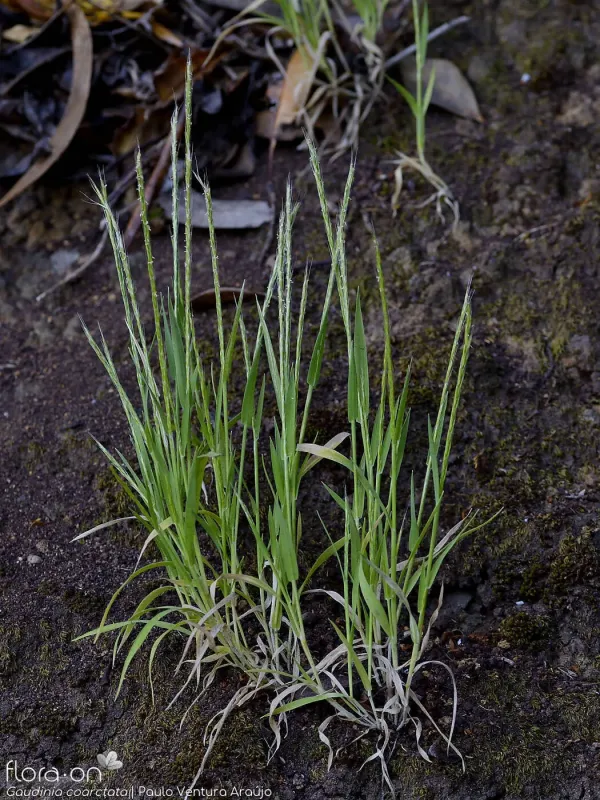
Description
Sowing dates
Gaudinia coarctata is a perennial grass species belonging to the Poaceae family. It is typically found in natural grasslands, where it contributes to biodiversity and provides high-quality forage for grazing livestock.
The optimal sowing time is early spring, which allows the grass to establish its root system before the onset of summer heat. Sowing in moist soil ensures quick germination and uniform seedling emergence.
Seeds should be planted at a shallow depth of 1-2 centimeters. Compacting the soil after sowing is essential to improve capillary moisture transfer, which significantly increases the success rate of seedling establishment.
In regions with mild winters, autumn sowing can also be successful. This allows the plants to overwinter in the vegetative phase and resume vigorous growth immediately when spring temperatures rise.
Maintaining a row spacing of 15 to 20 centimeters is recommended for optimal plant density. This spacing provides enough room for individual plants to stool effectively while creating a dense cover that suppresses weed growth.
Growing requirements
This species is highly adaptable to various soil types, ranging from sandy loams to heavier clays. It thrives best in well-drained soils, as excessive waterlogging can damage its delicate root system over time.
Sunlight is a critical requirement for Gaudinia coarctata. It exhibits its highest productivity in open, sunny locations where it can maximize photosynthesis and accumulate significant biomass.
Regarding soil pH, the plant prefers neutral to slightly acidic conditions. If the soil is too acidic, amending it with lime can help improve nutrient availability and overall crop performance.
The plant demonstrates good tolerance to moderate temperature fluctuations. It can withstand occasional spring frosts, making it a reliable choice for areas where weather variability is a common challenge during the growing season.
A balanced fertilization program, focusing on nitrogen during the active growth phase, is beneficial for increasing hay yields. However, excessive fertilization should be avoided to prevent stem lodging and disease outbreaks.
Yield
The productivity of Gaudinia coarctata depends heavily on the management of its vegetative cycle. When harvested at the right time, it provides a consistent supply of quality hay with good nutritional content.
Due to its ability to produce numerous tillers, the crop recovers well after mowing or grazing. This characteristic makes it suitable for intensive multi-cut systems, provided that adequate rest periods are given between harvests.
In terms of forage quality, the dry matter of this grass is rich in fiber and proteins, making it an excellent component for livestock rations. It is particularly valued for its palatability when harvested before full flowering.
Supplemental irrigation can dramatically improve yields in regions prone to dry summers. By maintaining soil moisture during critical growth stages, producers can ensure more stable and abundant annual harvests.
Grazing management is also important for yield sustainability. Controlled rotational grazing prevents overgrazing and promotes deeper root development, which ensures the longevity and resilience of the field for many years.
Main diseases and pests
Fungal diseases like rust and various smut infections are the most common threats, especially during humid and overcast weather conditions. These pathogens can affect both leaf health and overall seed viability.
Insect pests, such as cereal flies and aphids, can cause significant damage to young shoots. Monitoring for these pests in the early spring is crucial for preventing severe damage that could lead to stunted plant growth.
The most effective strategy for managing threats is a preventive approach, which includes selecting resistant cultivars and implementing strict crop rotation protocols to break disease life cycles.
When chemical control is necessary, products must be applied according to local regulations to protect beneficial insect populations and ensure the safety of the forage for livestock consumption.
Maintaining a clean field boundary, free of weed hosts, is another vital practice. This reduces the risk of migrating pests and prevents the spread of airborne spores from neighboring wild grass patches.
Harvesting
The timing of the harvest is critical for maximizing forage quality. The ideal window is the early heading stage, as the nutritional content decreases rapidly once the plant starts producing seeds and lignifying its stems.
When producing hay, effective drying is the key to maintaining color and vitamin content. Turning the windrows periodically ensures that the grass dries evenly, preventing the development of mold and quality loss.
For seed production, the crop should be harvested once the spikelets reach maturity. Using combine harvesters with precise settings is necessary to minimize seed shatter loss, as the seeds are small and can be easily lost.
Once harvested, the seed material must be cleaned and dried to reach a stable moisture content. Proper storage in a cool, dry environment is essential for preserving high germination rates until the next planting season.
Regular maintenance of harvest equipment, such as sharpening mower blades and checking combine settings, is vital for ensuring efficiency and reducing physical damage to the plants during the harvest process.