
Gaudinia
Gaudinia fragilis
Description
Growing requirements
Gaudinia fragilis, commonly known as fragile oat, is an annual grass species belonging to the Poaceae family. While not a major commercial crop, it plays a role in forage production and natural meadow ecosystems across temperate and Mediterranean climates.
The origin of this species is traced to the Mediterranean basin. Its distribution spans across Southern Europe, North Africa, and parts of the Middle East, where it thrives in open landscapes and semi-arid grasslands.
In terms of climate and soil, Gaudinia fragilis prefers well-drained, calcareous soils. It is well-adapted to Mediterranean conditions, utilizing winter and spring precipitation for rapid biomass development before the onset of the summer dry season.
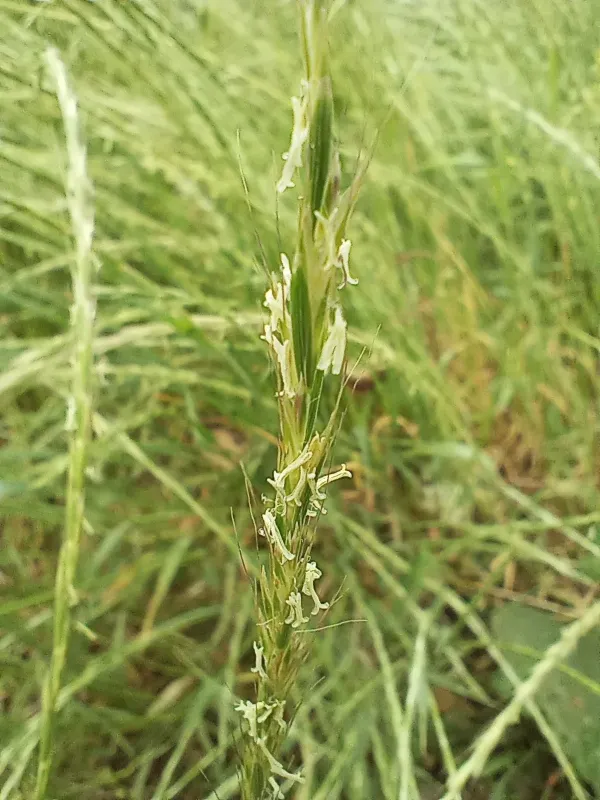
Botanically, it is distinguished by a thin, brittle stem, which explains the specific epithet fragilis. The inflorescence is a slender spike where spikelets are pressed closely against the rachis, ensuring efficient wind pollination and seed dispersal.
Agricultural use is primarily focused on extensive grazing and hay production. It is highly valued for its ability to regenerate after grazing, making it a stable component in diverse meadow mixtures where it supports livestock nutrition during the growth season.
Main diseases and pests
The primary fungal threats to Gaudinia fragilis include rust diseases and powdery mildew, which can significantly damage leaf tissues and diminish the overall nutritional quality of the forage.
Pest pressure is frequently observed from cereal aphids, which suck sap from the stems and developing inflorescences, often leading to stunted growth and reduced seed yield.
Soil-borne pathogens may pose a risk during germination and early establishment, particularly in areas with poor drainage and high soil moisture content, leading to damping-off symptoms.
Competition from more aggressive weed species can impede the establishment of the crop, necessitating careful site selection and mechanical weed control during the early development phase.
Effective management requires monitoring for signs of stress, particularly nutrient deficiencies, as impoverished soils significantly reduce the plant's natural resistance to both insects and fungal attacks.