
Fringed paspalum
Paspalum fimbriatum
Description
Growing requirements
Fringed paspalum (Paspalum fimbriatum) is a perennial grass species within the Poaceae family. Its native range originates from the tropical regions of Central and South America and the Caribbean, where it serves as a robust component of natural grasslands.
The species requires a tropical or subtropical climate to reach its full productive potential. It thrives in environments with high annual rainfall and consistent temperatures, showing significant tolerance to varying levels of humidity during the growing season.
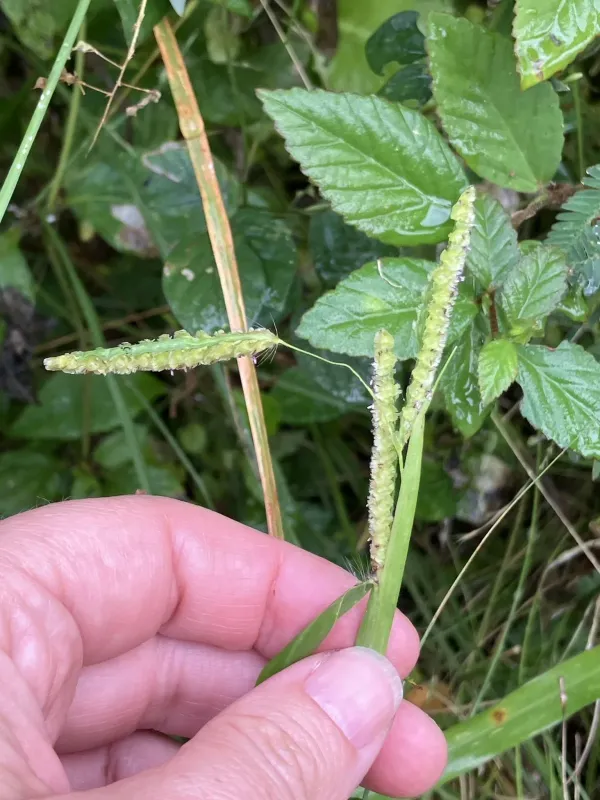
Botanically, it is distinguished by the fringed margins on its spikelets, from which it derives its common name. The plant grows in dense bunches, creating a thick sod that provides excellent ground cover and aids in soil stabilization in tropical environments.
Regarding soil requirements, it prefers well-drained loamy soils but shows remarkable adaptability to various soil structures provided there is adequate nutrient availability. It performs best in soils with a pH ranging from mildly acidic to neutral levels.
The agricultural cultivation of this species focuses on optimizing vegetative growth for forage purposes. Effective management involves rotational grazing strategies and periodic fertilization, which prevent the depletion of soil nutrients and promote rapid regrowth of the grass.
Yield
Fringed paspalum is widely valued as a forage crop for livestock grazing. Its biomass production is highly dependent on nitrogen availability, and when managed properly, it provides a consistent supply of palatable green feed that supports herd health.
Main diseases and pests
The primary threats include fungal diseases such as leaf rust, which can proliferate in humid conditions. Integrated pest management practices are recommended to control insects that may damage stems or foliage, thereby maintaining the quality of the stand.