
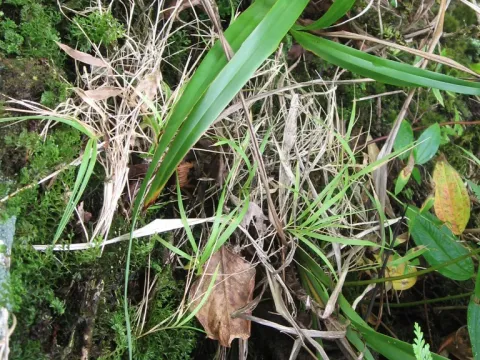
Garnotia
Garnotia
Garnotia is a genus of grasses belonging to the Poaceae family. In agricultural practices, this crop is utilized primarily as a component of forage grasslands in tropical and subtropical regions across Asia and the Pacific islands.
What the section contains
Garnotia
Sowing generally coincides with the onset of the rainy season. Adequate soil moisture during this period is essential to ensure rapid seed germination and successful establishment of the root system in diverse soil types.
The seeds are typically surface-sown or shallowly incorporated into the prepared substrate. Because Garnotia possesses high vigor, minimal soil disturbance is often required to achieve a dense and uniform stand.
Planting density is adjusted based on the intended land use. For erosion control, higher seeding rates are recommended to rapidly cover the soil surface, preventing nutrient runoff and establishing a protective cover.
Initial weed management is crucial for the success of the establishment phase. Ensuring that the site is free from aggressive competitive species allows Garnotia seedlings to thrive and develop a strong root architecture early in the growth cycle.
Garnotia plants exhibit a preference for open, well-lit environments. They show high adaptability to various soil types, ranging from nutrient-poor sandy soils to rocky substrates, making them suitable for land rehabilitation.
The crop thrives in soils with neutral to slightly acidic pH levels. Good drainage is a fundamental requirement to prevent root rot, as the species is sensitive to waterlogged conditions, particularly in lowland areas.
As a thermophilic plant, Garnotia requires stable temperatures, typically between 20°C and 30°C. It does not tolerate freezing temperatures, which limits its commercial cultivation to frost-free tropical or subtropical zones.
While the genus is known for moderate drought tolerance once established, consistent moisture is necessary to maximize vegetative growth. Supplementary irrigation during dry spells can significantly enhance productivity.
Fertilization requirements are generally low, but nitrogen supplementation may be beneficial in poor soils to boost leaf development and increase the total yield of the green forage mass produced by the plants.
The total yield of Garnotia is highly dependent on soil fertility and annual rainfall. Under optimal conditions, the plant is capable of producing significant amounts of biomass, which is highly valued for hay production.
High yields are achieved through systematic management, including periodic cutting. This practice encourages tillering, which thickens the stand and increases the volume of herbage available for harvest throughout the season.
The nutritional value of Garnotia forage makes it an important component of natural pastures. Its ability to regrow rapidly after grazing provides a reliable source of feed for livestock in regions where other grasses fail.
Yield stability can be influenced by the presence of associated species in the meadow. Monocultures might provide higher initial biomass, but diverse pastures often provide more consistent nutritional profiles over time.
To ensure maximum harvest, timing is critical. Avoiding over-maturation of the stems is necessary to maintain high protein content and digestibility, as the conversion of sugars into cellulose increases with plant age.
Garnotia is susceptible to various fungal pathogens, especially rust and leaf spot diseases, which flourish in warm, humid climates. These infections can severely impact the quality and quantity of the forage produced.
Pests such as lepidopteran larvae and various leaf-feeding insects can cause damage during the active growing season. Integrated pest management strategies are advised to keep populations below economic injury levels.
Nematodes, which target the root system, represent a hidden threat that can lead to stunted growth and nutrient deficiency symptoms. Proper crop rotation is the most effective way to manage soil-borne pathogen risks.
Competition from weeds is a significant concern during the early stages of establishment. Regular mowing or light cultivation is recommended until the crop is established well enough to outcompete spontaneous flora.
Preventive measures include the selection of resistant populations and the implementation of proper field hygiene. Ensuring adequate air circulation between plants helps reduce the incidence and spread of foliage diseases.
Harvesting Garnotia should be conducted during the heading phase before the stems become overly lignified. This stage provides the best balance between biomass volume and the nutritional quality of the forage.
Mechanical harvesting with rotary mowers is the standard practice. Adjusting the cutting height is important to protect the basal growing points of the plants, facilitating faster regrowth for the subsequent harvest cycle.
Post-harvest, the green mass is typically left in the field for wilting. In hot climates, this process is rapid, which helps retain the nutrient density and the green color of the hay before final baling.
Seed collection is performed once the inflorescences reach physiological maturity. Careful handling is required to prevent pre-harvest seed shedding, which can significantly reduce the potential yield of the seed harvest.
Baled hay must be stored in dry, well-ventilated structures to prevent mold and bacterial degradation. Properly stored hay maintains its palatability and nutritional value for livestock throughout the dry season.